
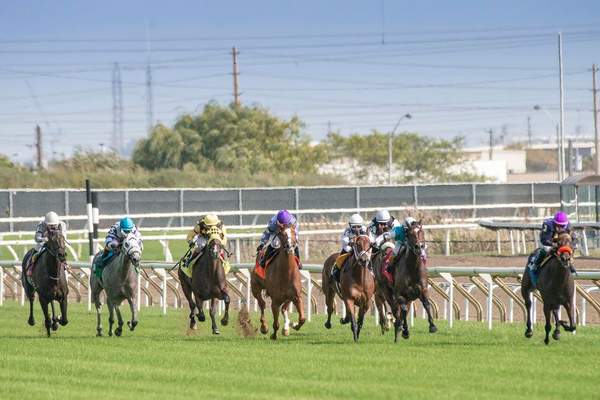
A Thoroughbred standing quietly at a gate can look almost delicate until it moves. Then the long stride, quick reactions and powerful hindquarters reveal a horse developed for athletic work. Speed is the breed’s best-known quality, but the most useful thoroughbred horse characteristics for a prospective owner are its sensitivity, stamina and need for thoughtful management.
Thoroughbreds are not all restless racehorses. Some enjoy quiet hacking, others thrive in eventing, and many have never raced at all. Understanding the individual horse matters more than relying on a breed stereotype.
What Does a Thoroughbred Look Like?
The typical thoroughbred build is lean, deep through the chest and relatively long-legged. A sloping shoulder, defined withers, strong hindquarters and an athletic neck help produce an efficient, ground-covering stride. Many adults stand around 15.2 to 17 hands, although individuals fall outside that range.
Muscle development varies with breeding and work. A sprint-bred horse may appear more compact and muscular than one bred for longer distances. Thoroughbreds commonly have bay, chestnut, brown, black or grey coats; colour tells you little about temperament or ability.
Built for Speed, Not Identical in Shape
The breed was developed in Britain using imported foundation stallions and local mares, with selection for racing performance. That history explains its athletic reputation, but it does not mean every Thoroughbred has perfect conformation or the same soundness needs. Assess limb alignment, hoof quality, movement and past injuries horse by horse, ideally with a veterinarian when buying.
Understanding Thoroughbred Temperament
Thoroughbred temperament is often described as alert, intelligent, forward-going and sensitive to the rider’s cues. Many learn quickly and form strong partnerships with consistent handlers.
A reactive horse is not necessarily disobedient. Pain, unfamiliar surroundings, separation from companions or too much pressure can produce behaviour that looks like stubbornness. Look for patterns: does the horse become tense only during saddling, when leaving the yard or after several hours stabled?
Some Thoroughbreds are exceptionally calm; others are sharper. Age, training, health and daily management affect behaviour as much as pedigree. The best rider is usually patient, balanced and able to reward small moments of relaxation rather than escalating a disagreement.
Energy Levels and the Right Daily Routine
High athletic capacity does not mean a Thoroughbred should be worked hard every day. Like other horses, it needs opportunities to walk freely, graze or forage, rest and interact with compatible companions. Adequate turnout and a predictable routine can be just as important to its behaviour as ridden exercise.
Match work to fitness, age and condition. An established riding horse might enjoy varied schooling, hacking and suitable faster work, while an unfit or recently retired horse needs gradual conditioning. Build duration before intensity, and watch for heat, unusual fatigue, stiffness or reluctance to move.
A Practical Example: The Newly Retired Racer
Imagine a five-year-old Thoroughbred moving from a busy training yard to a small private stable. It knows a structured routine but may not understand standing at a mounting block, riding alone or walking on a loose rein. Start with veterinary and tack checks, quiet groundwork, short familiar outings and plenty of time to settle. Introduce new experiences one at a time, preferably with a knowledgeable trainer. Progress is measured in confidence, not how quickly the horse can hack alone.
Thoroughbred Horse Care Beyond Exercise
Feeding and Body Condition
Good-quality forage should form the basis of the diet, alongside constant access to clean water and an appropriate mineral balance. Do not assume every Thoroughbred needs large amounts of grain because of its racing heritage. A horse in light work may require far less concentrated feed than one in intense training.
Monitor body condition, topline and weight trends rather than judging by a single photograph. Some Thoroughbreds are naturally lean, but visible muscle loss or unexplained weight loss deserves investigation. Changes in feed should be gradual; a veterinarian or qualified equine nutritionist can help design a ration when needs are complex. Learning horse body condition scoring makes these decisions more objective.
Feet, Teeth and Routine Healthcare
Regular farrier attention, dental assessments, vaccinations and parasite control planned with a veterinarian are core parts of thoroughbred horse care. Hooves differ between individuals; some manage barefoot in suitable conditions, while others benefit from shoes or hoof protection for their workload. Good horse hoof care starts with examining the feet frequently and noticing changes early.
Check for rubs, swelling, altered appetite and changes in gait. A saddle that fitted during race training may not fit after a horse gains muscle through different work. Reassess tack as the shape of the back changes, especially when retraining.
What Is Different About an Ex-Racehorse?
Common ex racehorse traits include familiarity with busy yards, confident forward movement and a strong response to established handling routines. However, previous racing experience does not automatically mean the horse knows ordinary leisure-riding skills. A racehorse may be accustomed to being mounted while walking or travelling in company rather than standing alone.
Before beginning retraining an ex-racehorse, establish its medical history, previous workload, current soundness and comfort with turnout. Allow an adjustment period, then teach new cues consistently. Avoid interpreting every rush forward as a desire to race; confusion, anxiety or discomfort may be involved.
Former racers can succeed in dressage, showing, jumping, eventing and relaxed pleasure riding. The right second career depends on the horse’s physical abilities and preferences, not simply its pedigree.
Is a Thoroughbred the Right Horse for You?
A Thoroughbred can suit an experienced rider who enjoys responsive horses and has the time, facilities and support for steady training. A calm, established individual may also work for a less experienced owner with professional guidance. A young, newly retired racer is usually a more demanding choice.
When viewing one, see it caught, groomed, tacked up and ridden before trying it yourself. Ask about turnout, feeding, previous injuries and how it behaves away from other horses. Arrange an independent pre-purchase veterinary examination appropriate to its intended work.
Frequently Asked Questions
Are Thoroughbred horses difficult to handle?
Not inherently. Many are cooperative and affectionate, but their sensitivity and quick responses can challenge inexperienced handlers. Calm, consistent training and suitable management make a substantial difference.
Do Thoroughbreds need constant exercise?
No. They need regular movement, suitable turnout and exercise appropriate to their condition. Forced daily intensive work is neither necessary nor a substitute for social contact and foraging.
Can a Thoroughbred be a good first horse?
An older, well-schooled and settled Thoroughbred might be suitable with expert support. A green or recently retired racehorse is generally not the easiest first purchase.
How long does retraining an ex-racehorse take?
There is no fixed timetable. Prior training, physical health, temperament and the new job all influence progress. Allow months rather than expecting an instant transition, and adapt the pace to the individual.
Final Thoughts
The defining Thoroughbred qualities are athleticism, alertness and the capacity to learn. Those strengths flourish when owners look beyond the racing image and provide good forage, social contact, appropriate fitness work and clear communication. Choose the individual horse carefully, and a Thoroughbred can be a rewarding partner far beyond the track.