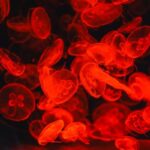
A tiny sea snail with a fragile shell may seem far removed from a salmon, a coral reef or a coastal fishing town. Yet all can be connected through food and habitat. As the ocean absorbs more carbon dioxide from the atmosphere, seawater chemistry changes in ways that can affect organisms at the bottom of marine food webs and, indirectly, the animals that depend on them. Understanding ocean acidification and marine life therefore means looking beyond individual species to the relationships that keep ecosystems functioning.
Why More Carbon Dioxide Changes Seawater
The ocean absorbs a substantial share of the carbon dioxide released by human activities. When that gas dissolves in seawater, chemical reactions increase hydrogen ion concentrations and reduce pH. They also lower the availability of carbonate ions, which many organisms need to build calcium carbonate shells and skeletons.
Despite its name, ocean acidification does not mean the entire ocean has become acidic. Average surface seawater remains slightly alkaline. The concern is the sustained shift toward lower pH and less favorable conditions for calcification. Because the pH scale is logarithmic, even a seemingly small change represents a meaningful shift in ocean acidity.
Marine chemistry also varies naturally. Temperature, currents, biological activity and upwelling can create large local differences. That is why a global average cannot tell a shellfish grower exactly what is happening in a particular bay.
The First Effects Often Appear in Shells and Skeletons
Oysters, mussels and other shellfish
Young shellfish are especially important to watch. Oyster and mussel larvae must build protective shells while growing quickly, and unfavorable carbonate conditions can make this process more difficult. Some species or life stages experience slower growth, weaker shells or reduced survival under elevated carbon dioxide. The response is not identical across species or populations.
Shellfish acidification matters well beyond seafood production. Oysters can form reefs that shelter small animals, while mussel beds create structure on the seafloor. If these habitat-building species struggle, neighboring organisms can lose feeding grounds and places to hide.
Corals and reef-building organisms
Reef-building corals also rely on calcium carbonate. Lower carbonate mineral saturation can reduce calcification and make it harder for reefs to maintain their structure, particularly when erosion continues. Reef outcomes depend heavily on species, local conditions and other pressures, especially warming-driven bleaching.
A reef is more than a collection of coral colonies. Its crevices support juvenile fish, crustaceans and countless smaller animals. Damage to that physical complexity can change which species find food or shelter there. Understanding coral reef ecosystems helps explain why a chemical shift can become a habitat problem.
How Acidification Travels Through Marine Food Webs
Food-web changes rarely follow a simple chain in which one species declines and every predator declines with it. Ocean acidification can affect growth, competition, habitat and prey quality at the same time, producing different outcomes in different ecosystems.
Tiny plankton, wider consequences
Pteropods are small swimming sea snails eaten by fish and other predators, particularly in colder waters. Some build thin aragonite shells that can become vulnerable as carbonate conditions deteriorate. Their sensitivity matters because a change in abundant prey can influence feeding opportunities higher up the web.
Not all plankton respond negatively. Some photosynthetic organisms may benefit from additional dissolved carbon dioxide, while others face disadvantages or show little response. A shift in which plankton thrive could alter the timing and nutritional quality of food available to grazers. These interactions remain harder to predict than the basic chemistry.
Fish can be affected indirectly
Fish generally regulate their internal acid-base balance more effectively than many shell-building invertebrates. Experiments have nevertheless found effects on certain fish life stages, including development and settlement. Behavioral findings differ among studies, so claims that acidification universally makes fish unable to avoid predators go too far.
Indirect effects may be just as significant: fewer suitable shelters, different prey communities or altered nursery habitats can affect fish even where direct physiological effects are limited. A marine food web responds to its surroundings as a network, not as isolated species.
Why Coastal Waters Can Face Greater Pressure
Cold waters absorb carbon dioxide readily, while upwelling can bring naturally carbon-rich deep water toward the surface. In estuaries, nutrient pollution can fuel algal blooms; when that organic material decomposes, respiration releases additional carbon dioxide and can worsen local acidification. Freshwater inputs and daily photosynthesis create further fluctuations.
Ocean ecosystem change also involves warming, oxygen loss and habitat degradation. These stressors can interact, making it difficult to attribute a change in wild populations to acidity alone. Stronger monitoring is essential for distinguishing long-term trends from seasonal swings.
A Practical Example: Timing Shellfish Hatchery Operations
On North America’s Pacific coast, hatcheries have experienced problems when they draw in seawater with unfavorable carbonate chemistry during sensitive larval stages. Monitoring systems can track conditions so operators know when intake water presents greater risk. Some facilities adjust how they treat incoming water or time particular operations around those measurements.
This is a useful lesson in adaptation: the practical question is not simply whether a bay’s pH is lower, but when vulnerable larvae encounter poor growing conditions. Measurements of pH alongside dissolved carbon dioxide, alkalinity and carbonate saturation provide a more informative picture than a single reading.
What Can Protect Marine Ecosystems?
Reducing carbon dioxide emissions addresses the main global driver of ongoing ocean acidification. Locally, limiting nutrient runoff, protecting shellfish beds and reefs, and restoring healthy coastal habitats can reduce additional stress and strengthen resilience. Seagrasses and kelp can change nearby carbon dioxide levels through photosynthesis, but their buffering effects vary with tides, light and respiration; they are not a substitute for emissions reductions.
For coastal communities, a useful starting point is to support long-term water-quality and carbonate-chemistry monitoring rather than relying on occasional pH measurements. Pairing chemistry data with observations of larvae, reefs and prey species helps reveal where changes are affecting living ecosystems.
Frequently Asked Questions
Does ocean acidification mean seawater is becoming acidic?
No. Average seawater remains alkaline, but its pH is decreasing as absorbed carbon dioxide changes its chemistry. The term describes a movement toward greater acidity, not necessarily a pH below seven.
Which marine organisms are most vulnerable?
Many shell-building larvae, pteropods, corals and some other calcifying organisms are vulnerable, although sensitivity differs by species and life stage. Habitat and food-web effects can extend the consequences to other animals.
Can ocean acidification affect seafood supplies?
Yes. It can create difficulties for shellfish hatcheries and may influence wild fisheries through effects on prey, habitat and early life stages. The size and timing of those impacts vary across regions.
Can planting seagrass reverse ocean acidification?
Seagrass can sometimes raise local pH during photosynthesis, but the effect depends on environmental conditions and may not persist throughout the day. Protecting seagrass is valuable; reducing atmospheric carbon dioxide remains the essential long-term response.
Conclusion
Ocean acidification is a change in chemistry with ecological consequences. From vulnerable shellfish larvae to reef habitats and plankton-based food webs, its effects can spread through connections that are easy to overlook. Monitoring those links, reducing local pressures and cutting carbon dioxide emissions offer the clearest path to protecting marine life as ocean conditions continue to shift.