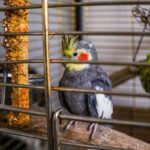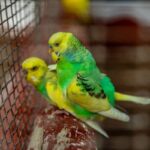
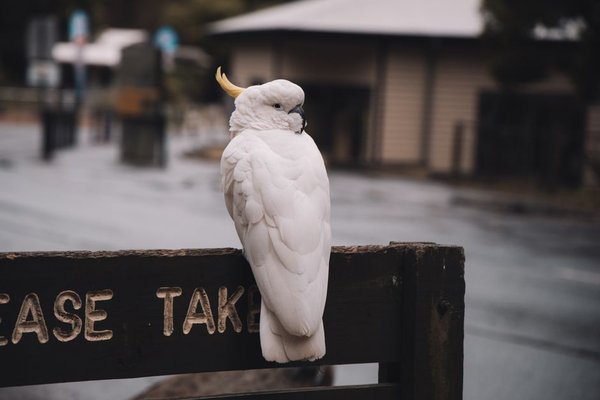
A pet bird that suddenly falls silent, retreats to the back of its cage or snaps at a familiar hand may be telling you something about its surroundings. The signs a pet bird is stressed are often subtle. Pay attention to changes in posture, sound, activity and responses to ordinary routines.
Stress can follow a loud visitor, unfamiliar object or disrupted sleep schedule. But similar changes can signal pain or illness. The useful question is not simply “Is my bird stressed?” It is “What has changed, when did it start, and is my bird otherwise well?”
Start With Your Bird’s Normal Behaviour
A relaxed budgie may chatter all morning, while a cockatiel might whistle only at familiar times. One bird enjoys company; another prefers observing from a safe distance. No single checklist fits every species or individual.
Notice your bird’s usual eating, preening, playing and resting patterns. Record what happens before an unusual reaction. A brief daily note about vocalisations, appetite, droppings and activity makes emerging patterns easier to spot. Understanding parrot body language helps you read signals in context rather than treating every feather movement as a warning.
Body Language That May Signal Stress
Freezing, crouching or leaning away
A wary bird may become unusually still, hold its feathers close, crouch or shift away from a person or object. Some birds stretch their necks towards a possible threat while preparing to retreat. A bird avoiding an approaching hand is asking for distance, not necessarily displaying stubbornness.
Restless pacing and attempts to escape
Repeatedly moving along cage bars, fluttering frantically or rushing towards the farthest perch can suggest fear or frustration. Watch what precedes the movement. If pacing begins whenever the vacuum cleaner appears, the timing tells you more than pacing alone.
Feather position and defensive displays
A bird may raise its crest, spread its wings, lunge or open its beak when alarmed. Species differ, and the same display may express excitement or territorial behaviour. Constantly fluffed feathers, drooping wings or sitting weakly on the cage floor, however, can indicate illness and need prompt veterinary attention.
Changes in Sound and Social Interaction
Bird stress signs sometimes show up in the soundscape of a home. A normally talkative companion may become quiet, while another bird calls or screams more frequently. Sudden changes matter more than absolute noise level. Silence is not automatically calm, and a vocal bird is not automatically anxious.
Social changes offer further clues. A bird that usually steps up comfortably might dodge hands, bite or avoid a favourite person. Equally, a frightened bird may cling to a familiar caregiver. These bird anxiety signs can overlap with hormonal behaviour, insufficient sleep and medical problems, so avoid assigning a cause from one incident.
Repetitive Behaviours and Feather Damage
Persistent bar chewing, route-like pacing or repeated movements without an obvious purpose may indicate frustration. Yet repetition alone is not proof of distress; some movements are learned routines or normal play. Look at how often they occur and whether your bird can choose other activities.
Excessive preening, broken feathers, feather chewing or plucking deserve particular care. Feather damage may be linked to stress, but skin irritation, nutritional problems and diseases can look similar. Arrange an examination with an avian veterinarian rather than assuming boredom is the cause or trying home treatments.
Common Triggers Hidden in Everyday Routines
Stressed bird behaviour often makes more sense when you consider the view from its perch. Potential triggers include shouting, a pet predator staring at the cage, crowded surroundings, insufficient sleep, sudden rearrangement of toys, limited opportunities to forage and unwanted handling.
Imagine a cockatiel that starts hissing each evening. Its owner notices the reaction begins when the family dog settles beside the cage after dinner. Moving the cage where the dog cannot approach, while preserving the bird’s familiar routine, may remove a recurring source of fear. That observation is more useful than simply labelling the cockatiel aggressive.
Changes that seem minor to people can feel significant to birds. A new lamp, moving shadow or different caregiver can alter a bird’s sense of safety. Predictable routines and opportunities for choice are valuable parts of pet bird care.
Calming a Pet Bird Without Forcing Contact
When a bird seems frightened, reduce the immediate disturbance. Speak softly, step back and allow it to remain on a secure perch. Do not chase, grab or insist on step-up practice to prove everything is fine. Forced contact can teach the bird that warnings are ignored.
Keep sleep and wake times consistent and provide an appropriately quiet, dark sleeping environment. Offer species-suitable toys, foraging opportunities and safe supervised time outside the cage where appropriate. Introduce new objects gradually, first placing them at a distance and moving them closer only as your bird relaxes.
For a bird anxious about hands, try a practical experiment: approach only to the distance where it stays relaxed, pause, then retreat. On later sessions, reward voluntary calm engagement with a suitable treat. Progress at the bird’s pace. Positive reinforcement training for pet birds can make these interactions more predictable.
Review cage placement, perch variety, diet and time spent alone. If daily enrichment is limited, safe foraging activities for pet birds can provide useful options without overwhelming your companion.
When Stress-Like Signs Mean a Vet Visit
Birds often conceal illness. A sudden personality change, reduced appetite, unusual droppings, unexplained feather damage or marked lethargy warrants contact with an avian veterinarian, even if a stressful event recently occurred. Do not wait for dramatic symptoms.
Difficulty breathing, open-mouth breathing at rest, pronounced tail bobbing with breaths, collapse, bleeding or inability to perch are urgent warning signs. Seek emergency veterinary advice immediately. Environmental improvements support wellbeing but cannot replace medical examination when health is in question.
Frequently Asked Questions
Can a stressed bird stop singing?
Yes. Some birds become less vocal when frightened. Because reduced vocalisation can also indicate sickness, check for other changes and contact an avian veterinarian if the silence is sudden or persistent.
Does feather plucking always mean stress?
No. Feather-destructive behaviour has several possible causes, including medical conditions. A bird-savvy veterinary assessment should come before treating plucking as a purely emotional issue.
How long does it take a bird to calm down?
There is no fixed timetable. A brief fright may pass once the trigger disappears, while repeated disturbances may require gradual environmental and behavioural changes. Persistent distress deserves professional advice.
Should I cover the cage when my bird looks anxious?
A consistent sleep cover may suit some birds, but suddenly covering a frightened, awake bird can increase fear or hide important symptoms. Prioritise a quiet, safe setting and established preferences.
Notice the Pattern, Not Just the Moment
The best way to recognise stress is to compare today’s behaviour with your bird’s baseline. Look for connections between posture, sounds, avoidance and daily events. Adjustments to safety, predictability and enrichment can help, while persistent or physical warning signs call for veterinary care. Listening to those signals makes life calmer for bird and owner.