A good pet bird cage setup is less about adding accessories and more about comfortable movement. Your bird needs room to travel between perches, reach food easily, rest securely and avoid rubbing its feathers against the bars. The details differ for finches, budgies, cockatiels and larger parrots, but the principle is similar: arrange the enclosure around what the bird actually does.
Choose a Cage With Usable Space
Look at horizontal room before height. Most birds move across an enclosure rather than fly straight upward, so a tall, narrow cage can be restrictive. Choose the largest suitable enclosure you can accommodate, considering wingspan, tail length, activity level and the number of compatible birds.
Your bird should be able to extend both wings, turn without scraping its tail and move between perches without squeezing past toys. Flight-oriented birds, including finches, especially benefit from uninterrupted length. A spacious cage remains a home base, not a substitute for safe exercise and interaction.
Check Bar Spacing and Materials
Bar spacing must prevent the bird from pushing its head through or getting trapped. Check requirements for your species rather than relying on one measurement. Choose secure latches, strong construction and bird-safe finishes. Damaged coatings and unsuitable metals can become hazardous when chewed. Rectangular cages generally offer easier layouts than round ones.
Keep a Clear Route Through the Cage
Before installing anything, picture a route from one side to the other. Keep the middle open enough for hopping, climbing or short flights, depending on the bird’s abilities. Place larger accessories toward the edges, leaving an unobstructed approach to the door.
A practical bird cage layout includes resting areas, feeding stations and a play-and-foraging zone. They need not be rigid sections. The goal is to prevent a toy, bowl or perch from making another essential area difficult to reach.
Choose Varied Perches and Position Them Well
Bird perch placement affects foot comfort, exercise and cleanliness. Offer stable, non-toxic natural wooden perches with varied diameters and textures. Different gripping surfaces help distribute pressure across the feet. A perch should suit the bird’s grip; excessively wide or narrow surfaces can make resting uncomfortable.
Put a preferred resting perch where the bird feels secure and has head and tail clearance. Arrange others at different heights and opposite ends to encourage movement. In shared housing, ensure each bird has somewhere suitable to perch without being chased away.
Never position perches directly above food or water bowls, where droppings will fall. Avoid sandpaper covers that can abrade feet. Inspect rope perches closely and remove them if threads fray, because loose fibres can catch toes or be swallowed.
Place Food and Water Where They Stay Clean
Mount sturdy, easy-to-wash dishes where birds can approach from a stable perch. Keep bowls clear of droppings and swinging toys. Provide fresh drinking water and clean bowls daily. Food containers should be appropriately sized and removable without disturbing the whole cage.
With multiple birds, separate feeding positions may reduce competition. Watch them eat; a timid bird might avoid a bowl controlled by another. Feeding requirements vary by species, so pair the housing plan with appropriate guidance on a balanced diet.
Make Space for Safe Enrichment
Foraging opportunities, chewable bird-safe materials and interactive toys make the cage more interesting. Start with a manageable selection. A toy is poorly placed if it blocks the bird’s wings, drinking station or an important landing perch.
Inspect openings, bells, clips and chains for trapping hazards. Remove loose strings and broken pieces. Some birds dislike sudden changes. Introduce unfamiliar items outside the cage first, then rotate suitable toys gradually as the bird becomes comfortable.
Adjust the Setup for Different Birds
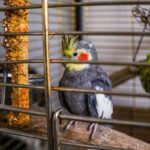
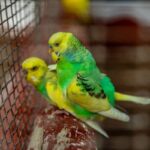
For finches, preserve horizontal flying room and provide well-spaced landing points. Budgies enjoy climbing but still need space to move. Cockatiels need tail clearance near cage walls. Larger parrots require durable hardware and stronger enrichment suited to their beaks.
Consider the individual, too. Older birds or those with limited mobility may need closer perches, easier access to bowls and reduced fall risks. An avian veterinarian can advise on medical adjustments. Effective pet bird housing is never entirely one-size-fits-all.
Find a Safe Place in the Room
Choose a ventilated spot with a predictable routine and protection from constant traffic. Keep the cage away from draughts, overheating, direct sun without shade and unsupervised pets. Avoid kitchens, smoke, aerosols, strong fragrances and cooking fumes. Overheated non-stick coatings can release dangerous fumes.
Provide an appropriate quiet, dark sleeping period. When the bird exercises outside the cage, close windows and doors, switch off ceiling fans and check for hot surfaces, open water and other hazards.
Make Daily Cleaning Simple
A cage setup for birds should also work for its caretaker. Line a removable tray with plain paper so droppings remain visible and soiled lining is easily replaced. Wash dishes daily, remove leftover perishable foods and clean droppings from perches and bars. Inspect toys and fittings during deeper cleaning.
If you must move several toys to reach the water bowl, simplify the arrangement. Good access supports consistent hygiene and helps you spot changes in eating or droppings that may warrant veterinary advice.
Test the Layout With a Real Journey
Imagine a cockatiel leaving its sleeping perch for breakfast. If its tail hits a hanging toy before it reaches the bowl, move the toy or bowl. Check the routes to water, the door and play areas too. This test reveals problems that are easy to miss in an empty cage.
Observe the bird for several days. Comfortable resting, confident movement and access to every station suggest the plan works. Repeated wing bumps, avoidance of a perch or difficulty eating mean something should change. Make adjustments gradually for birds stressed by rearrangement.
Frequently Asked Questions
How many perches should a bird cage have?
Enough for varied resting spots and movement without cluttering the space. The right number depends on species, cage dimensions and how many birds live there.
Where should food and water bowls go?
Place them in stable, accessible positions away from falling droppings. Avoid putting bowls directly beneath resting perches, and ensure every bird can reach them.
Should toys stay in the cage all the time?
Familiar, undamaged enrichment can stay, but inspect toys frequently and rotate them when appropriate. Remove damaged items immediately and maintain a clear movement route.
Is a large cage enough exercise?
Not necessarily. Many birds also need safe, species-appropriate flight or movement, social contact and mental stimulation beyond what any cage can offer.
Build Around the Bird’s Daily Routine
The most useful pet bird cage setup makes resting, feeding, exploring and cleaning straightforward. Prioritise horizontal space, varied perches, clean feeding stations and thoughtfully placed enrichment. Then let your bird’s behaviour guide adjustments. A functional layout beats a crowded one.