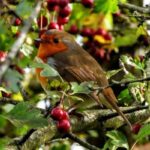
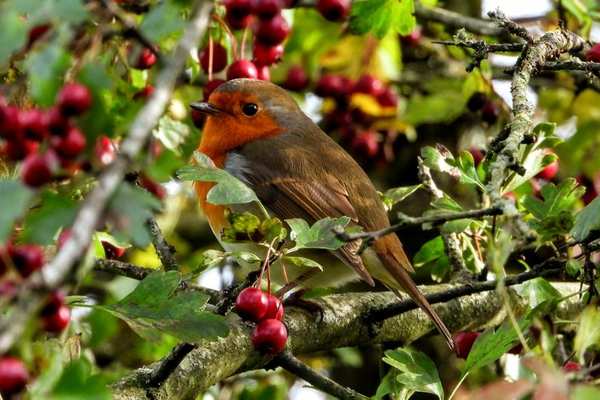
A quiet winter morning can be surprisingly busy with birds. A robin sings from a bare branch, tits move through a hedge, and unfamiliar thrushes search for berries in a nearby field. Winter birds in the UK include familiar residents and visitors arriving from northern and eastern Europe to find food and milder conditions.
For rewarding winter birdwatching, follow the food. A berry-laden tree, sheltered garden or busy wetland can reveal more than a long walk through empty-looking countryside.
Why Britain’s birdlife changes in winter
Some species, including swallows and many warblers, leave Britain for warmer regions. Others arrive because British winters are generally less severe than those farther north. Redwings, fieldfares, geese and ducks can therefore make a landscape feel more crowded in December than in August.
Short days also affect resident birds. Small species must eat enough to survive long nights, so they feed intensively after dawn and before dusk. Frost can push birds away from frozen ground towards unfrozen water, sheltered hedges and gardens. Their movements depend on food and weather, not just the calendar.
Winter birds to look for around Britain
Robins, blackbirds and garden regulars
Robins remain conspicuous because many defend feeding territories and sing through winter. Blackbirds probe lawns for worms when the soil is soft, then turn to fruit and berries in harder weather. Blue tits and great tits explore branches, while dunnocks move quietly beneath shrubs.
Long-tailed tits travel in restless little flocks through trees and hedgerows, calling as they search for insects and spiders. Watching the entire group pass often reveals birds you would miss by concentrating on one branch.
Redwings and fieldfares
These visiting thrushes are highlights among UK winter birds. A redwing has a pale eyebrow and rusty-red flanks, which may be hard to see until it turns. A larger fieldfare shows a grey head, chestnut back and spotted breast. Both gather in fields and berry-bearing hedgerows.
Look beside hawthorn, rowan and holly, particularly after cold weather reduces other food. If snow covers fields, redwings and fieldfares may venture into gardens for windfall apples. Their arrival does not make them permanent garden residents.
Finches in fields and treetops
Goldfinches gather in lively flocks, picking seeds from standing plants. Chaffinches forage beneath trees and along field edges. Bramblings, winter visitors with orange-toned plumage and contrasting wing markings, sometimes join chaffinch flocks or feed where beech seeds are plentiful.
Siskins favour alder and birch, hanging from fine twigs to reach seeds. If you hear a busy flock overhead, check the treetops before assuming the birds are sparrows.
Waxwings: an occasional surprise
Waxwings are not guaranteed every winter. In some years, poor berry crops farther north contribute to larger movements into Britain, called irruptions. Their pointed crests, dark eye masks and soft brown-grey plumage are distinctive.
A rowan tree beside a shopping centre can be as promising as a rural reserve. Watch berry-rich places from a respectful distance rather than approaching feeding birds for a photograph.
Geese, swans and winter ducks
Wetlands reveal another side of British birds in winter. Pink-footed geese gather in parts of northern and eastern Britain, commuting between roosts and farmland. Whooper swans arrive from Iceland and have yellow-and-black bills and loud calls.
On estuaries, reservoirs and marshes, look for wigeon grazing near water, teal in sheltered pools and pintails where habitat suits them. The species mix varies by region, so check a local reserve’s recent sightings.
Where to look when the weather turns cold
Start with food rather than a checklist. Berry-rich parks attract thrushes; seed-bearing grassland attracts finches; woodland edges offer insects and shelter; and unfrozen wetlands concentrate wildfowl. Coastal mudflats can be busy with feeding waders at low tide.
For an easy outing, choose a park with rowan trees beside an open field. Spend ten minutes scanning the branches, then check the grass for mixed thrush flocks. Move slowly, listen for calls and note what birds are eating. This two-habitat approach can reveal more than walking continuously.
Binoculars help, but stillness matters more than expensive equipment. A birdwatching binoculars for beginners guide can explain the features worth considering.
How cold weather changes behaviour
Flocking helps many birds locate food and detect danger, but not every species becomes sociable. A robin may chase another robin away while long-tailed tits feed together nearby. Birds also puff up their feathers to trap insulating air; this alone does not mean they are ill.
Freezing spells can change sightings overnight. Birds that normally feed on soft ground may switch to fruit, while waterbirds move to open water. Recording temperature, habitat and behaviour makes seasonal patterns easier to recognise. For identification, compare several features using a common UK garden birds guide rather than relying on colour alone.
Helping birds through a cold spell
Natural food and shelter come first. Leaving seed heads standing, retaining safe fallen fruit and growing berry-bearing shrubs can benefit birds beyond a single feeding station. A wildlife-friendly garden also provides cover when wind and rain make exposed spaces difficult.
If you offer supplementary food, follow current British Trust for Ornithology advice: seeds and peanuts can be provided from November to April, while mealworms and suitable suet products are alternatives. Offer small amounts, let food run out, move feeders periodically and clean them thoroughly. Avoid flat feeding surfaces where contamination can accumulate.
Fresh water matters too. Replace it daily, keep containers clean and check them during frosts. Remove spoiled food promptly. Supplementary feeding can help, but crowded or dirty feeders increase disease risks, particularly for finches.
Make the season part of your birdwatching routine
Choose one familiar route and revisit it weekly. Record the date, weather, species, approximate numbers and food sources. Comparing a mild November morning with a frosty January visit may reveal when redwings appear, where finches gather and whether a pond attracts extra ducks. Even fifteen minutes of regular observation can be revealing.
Frequently asked questions
What birds are most common in UK gardens in winter?
Robins, blackbirds, blue tits, great tits, house sparrows and dunnocks are familiar visitors in many areas, although numbers vary locally. Long-tailed tits and wintering thrushes may also appear.
Which birds come to the UK for winter?
Redwings, fieldfares, bramblings and many populations of geese, swans and ducks are notable arrivals. A few individuals of some species may occur outside the main winter period.
When is the best time for winter birdwatching?
Mornings can be productive for feeding birds, while late afternoon is excellent near wetland roosts. Cold weather may concentrate birds around food and unfrozen water.
Should I feed birds throughout winter?
Winter feeding can help when done hygienically. Offer small amounts, clean and move feeders, keep water fresh and favour natural food sources wherever possible.
Winter rewards patient observers
From a robin guarding its patch to wild geese crossing a grey sky, cold weather birds offer constant discoveries. Follow the food, revisit familiar places and notice how frost or thaw changes the scene. The more often you look, the more varied winter becomes.