
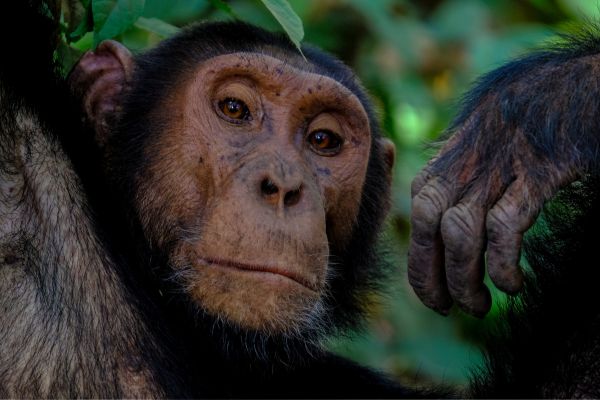
The phrase “endangered species” can sound distant at first, as if it belongs only in documentaries, scientific reports, or faraway rainforests. But endangered animals and plants are part of the same living world that supports human life too. They pollinate crops, balance food chains, maintain forests, protect oceans, and keep ecosystems healthy in ways that are often invisible until something goes wrong.
To save endangered species, we need more than sympathy. We need clear action, patient conservation, and a better understanding of why species decline in the first place. Some animals are disappearing because their habitats are being destroyed. Others are threatened by illegal hunting, pollution, climate change, invasive species, or conflict with people. In many cases, several of these problems happen at the same time.
The good news is that extinction is not always inevitable. Around the world, species have been brought back from the edge through habitat protection, stronger laws, community involvement, breeding programs, and long-term scientific work. Saving endangered species is difficult, yes, but it is possible when people act early and consistently.
Understanding What Endangered Really Means
An endangered species is one that faces a high risk of extinction in the wild. This may mean its population has dropped sharply, its habitat has become too small, or its breeding rate is no longer strong enough to replace losses. Some species may survive only in a few isolated locations, making them especially vulnerable to disease, natural disasters, or human disturbance.
Not every endangered species is famous. Tigers, rhinos, elephants, sea turtles, and pandas often receive public attention, but many lesser-known frogs, insects, birds, fish, plants, and reptiles are also in serious danger. These smaller or less glamorous species matter just as much to the ecosystems they belong to.
When one species disappears, the damage rarely stops there. A lost predator can cause prey populations to grow out of balance. A missing pollinator can affect plants and food sources. A declining fish species can change an entire river or reef system. Nature works through connections, and endangered species are often warning signs that those connections are under pressure.
Protecting Natural Habitats
The most important way to save endangered species is to protect the places they live. No animal can survive without suitable habitat. A tiger needs forest and prey. A sea turtle needs clean beaches and healthy oceans. A frog may need a very specific wetland. An eagle needs nesting sites and enough food nearby.
Habitat loss happens in many forms. Forests are cleared for farming or development. Wetlands are drained. Grasslands are converted into roads and settlements. Coral reefs are damaged by warming waters and pollution. Even when some habitat remains, it may be broken into small pieces, making it harder for animals to move, find mates, or reach food and water.
Protected areas such as national parks, wildlife reserves, marine sanctuaries, and community-managed forests can give endangered species safe space to recover. But protection on paper is not enough. These places need proper management, trained staff, monitoring, and cooperation with local communities. A protected forest still needs protection from illegal logging, fires, poaching, and careless development.
Restoring Damaged Ecosystems
Sometimes the land or water a species depends on has already been damaged. In these cases, conservation must go beyond protection and focus on restoration. Restoring an ecosystem means helping it become healthy again, though it may take years or even decades.
Forest restoration can involve planting native trees, removing invasive plants, and allowing natural regrowth. Wetland restoration may include bringing back natural water flow, cleaning pollution, and rebuilding habitat for birds, fish, and amphibians. In marine areas, conservationists may restore coral reefs, protect seagrass beds, or rebuild mangrove forests that shelter young fish and coastal wildlife.
Restoration is not simply about making a place look green again. It must support the right mix of native species and natural processes. A restored habitat should provide food, shelter, breeding sites, and safe movement routes. When done carefully, restoration can help endangered animals return to places where they once lived.
Reducing Illegal Wildlife Trade
Illegal wildlife trade is one of the most serious threats to many endangered species. Animals may be killed for horns, skins, scales, bones, shells, feathers, or exotic pets. Some are captured alive and transported under cruel conditions. Many die before ever reaching a buyer.
To save endangered species from illegal trade, strong enforcement is essential. Rangers, customs officers, wildlife crime investigators, and conservation groups all play a role. Technology such as tracking systems, DNA testing, and surveillance tools can help identify trafficking routes and protect vulnerable populations.
But enforcement alone is not enough. Demand must also be reduced. If people stop buying illegal wildlife products, the market weakens. Public awareness matters because many buyers may not fully understand the harm behind these products. A carved ornament, exotic pet, or traditional product may come with a hidden cost: the loss of a living species from the wild.
Supporting Human-Wildlife Coexistence
In many parts of the world, endangered species live close to human communities. This can create conflict. Elephants may damage crops. Snow leopards may attack livestock. Wolves may worry farmers. Large predators can frighten people who depend on the land for daily survival.
It is easy for outsiders to say wildlife should be protected, but local communities often carry the real cost. If conservation ignores their needs, it may fail. Successful projects look for practical ways to make coexistence safer and fairer.
This can include predator-proof livestock enclosures, better crop protection, early-warning systems, wildlife corridors, compensation programs, and local ranger jobs. Education also helps, especially when communities understand animal behavior and know how to reduce risk.
To save endangered species, people living near wildlife must be treated as partners, not obstacles. Their knowledge of the land is valuable. Their safety and livelihoods matter. Conservation works best when both wildlife and communities have a future.
Strengthening Conservation Laws
Good laws can protect endangered species from hunting, trade, habitat destruction, and harmful development. However, laws only matter when they are enforced fairly and consistently. Weak enforcement allows illegal activity to continue, even when a species is officially protected.
Governments can help by creating protected areas, regulating land use, banning illegal wildlife products, supporting scientific research, and funding conservation programs. International agreements are also important because wildlife does not always stay within national borders. Migratory birds, whales, sea turtles, and many other species depend on cooperation between countries.
Still, conservation laws should be designed carefully. They must protect wildlife while also respecting local communities and Indigenous peoples who have lived with these ecosystems for generations. In many places, traditional ecological knowledge can strengthen conservation rather than conflict with it.
Using Science and Monitoring
Saving endangered species requires good information. Conservationists need to know how many individuals remain, where they live, how they move, what they eat, and what threats they face. Without reliable data, it is difficult to make wise decisions.
Scientists use many tools to study endangered species. Camera traps capture images of shy animals. GPS collars track movement patterns. Acoustic sensors record calls from birds, frogs, whales, or bats. Genetic studies reveal population health and diversity. Field surveys help monitor nests, dens, migration routes, and breeding success.
Monitoring also shows whether conservation efforts are working. If a population is growing, a strategy may be effective. If numbers continue to fall, conservationists may need to change course. This kind of patient observation is not always dramatic, but it is one of the foundations of successful conservation.
Protecting Pollinators and Smaller Species
When people think about endangered species, they often picture large animals. But many smaller creatures are equally important. Bees, butterflies, beetles, bats, frogs, freshwater mussels, and tiny fish may not always attract attention, yet they support ecosystems in essential ways.
Pollinators help plants reproduce, including many plants that humans rely on for food. Amphibians can indicate the health of wetlands and forests. Insects feed birds, reptiles, and mammals. Freshwater species keep rivers and lakes functioning.
Saving these species often means reducing pesticide use, protecting native plants, keeping waterways clean, and preserving small habitat patches such as hedgerows, ponds, meadows, and wetlands. Even local actions can matter. A garden planted with native flowers may support pollinators. A clean stream may shelter fish and amphibians. Conservation is not always about huge landscapes; sometimes it begins in small corners.
Making Everyday Choices That Help
Most people are not wildlife biologists or park rangers, but daily choices still have an impact. What we buy, eat, use, and throw away affects habitats and wildlife around the world.
Reducing plastic waste helps marine animals that may swallow or become trapped in plastic. Choosing products made without unnecessary habitat destruction can reduce pressure on forests. Avoiding illegal wildlife products protects animals from trafficking. Supporting sustainable seafood can help reduce damage to ocean ecosystems. Using fewer harmful chemicals in gardens and homes can benefit birds, insects, and water life.
These actions may seem small, but they become meaningful when many people take them seriously. Conservation is not only a professional field. It is also a public habit, shaped by awareness and responsibility.
Education and Public Awareness
People are more likely to protect what they understand. Education helps turn endangered species from distant names into living beings with roles, behaviors, and needs. A child who learns about sea turtles may grow into an adult who cares about ocean protection. A community that understands why a wetland matters may be more willing to preserve it.
Good education avoids fear and guilt as the only message. It shows the problem honestly, but it also shows solutions. Stories of species recovery can be powerful because they prove that action matters. The return of a bird to restored wetlands or the growth of a protected animal population can inspire people to keep going.
Awareness also helps challenge myths. Some animals are feared because they are misunderstood. Others are harmed because people do not realize how rare they have become. Clear, respectful information can change attitudes over time.
The Role of Hope in Conservation
Conservation can feel overwhelming. There are many endangered species, and the threats are serious. But hope is not the same as pretending everything is fine. Real hope comes from action, evidence, and persistence.
Species have recovered when people protected nesting sites, restored habitats, reduced hunting, controlled invasive species, and gave nature enough time to heal. Not every story ends perfectly, and some losses cannot be reversed. Still, many species remain with us because someone decided they were worth saving.
To save endangered species today, the world needs both urgency and patience. Urgency because delays can push species closer to extinction. Patience because recovery takes time. A forest does not regrow in a season. A slow-breeding animal may need many years to rebuild its population. Conservation is a long promise.
Conclusion
To save endangered species, we must protect habitats, restore damaged ecosystems, reduce illegal wildlife trade, support local communities, strengthen laws, and make better everyday choices. No single action can solve the problem alone, but together these efforts can give vulnerable species a real chance.
Endangered animals and plants are not just rare names on a list. They are part of the living fabric of the planet. Their survival reflects the health of forests, oceans, rivers, grasslands, and even human communities. When a species is saved, something larger is preserved too: balance, beauty, memory, and possibility.
The work is not easy, and it is not finished. But it is worth doing. Every protected habitat, every rescued population, every cleaner river, and every informed choice becomes part of the answer. Saving endangered species today is ultimately about deciding what kind of world we want to leave behind.