
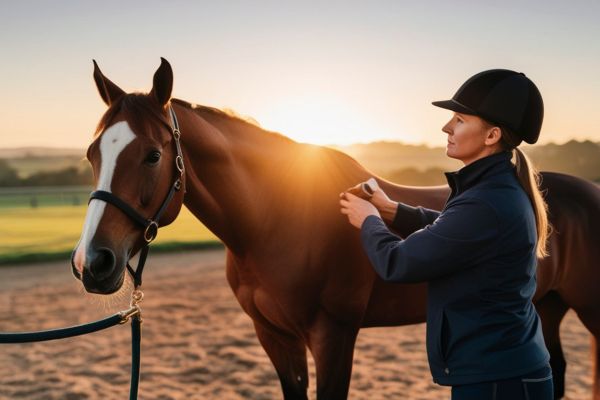
Anyone who spends time around horses eventually realizes that grooming is about far more than appearance. A freshly brushed coat and neatly combed mane may look satisfying, but grooming plays a much deeper role in a horse’s daily care. It supports skin health, improves circulation, strengthens trust between horse and handler, and often reveals small physical problems before they become serious.
For experienced horse owners, grooming becomes second nature—a quiet routine woven into the rhythm of stable life. For beginners, though, the process can seem surprisingly detailed. Different brushes, hoof tools, seasonal coat changes, and sensitive areas all require a thoughtful approach.
The truth is, horse grooming best practices are less about perfection and more about consistency, awareness, and patience. Horses are highly sensitive animals. They notice tension, rushed handling, and rough movements immediately. Good grooming is calm, attentive, and steady rather than hurried or mechanical.
Over time, these routines become one of the strongest foundations of horse care.
Why Grooming Matters Beyond Cleanliness
At first glance, grooming may appear mostly cosmetic, especially in competitive riding environments where presentation matters. But regular grooming affects a horse’s physical comfort in ways that are easy to overlook.
Dust, dried sweat, loose hair, mud, and trapped debris can irritate the skin and create discomfort beneath tack. Even a small patch of dirt under a saddle pad may lead to rubbing or soreness during riding.
Brushing also stimulates natural oil production across the coat. Those oils help maintain healthy skin and contribute to the shine people often associate with well-cared-for horses.
Just as important, grooming provides an opportunity for physical inspection. Hands moving across the horse’s body can detect heat, swelling, cuts, insect bites, or tenderness that might otherwise go unnoticed.
Many horse owners discover minor injuries during grooming long before the horse begins showing obvious signs of pain.
There’s also a psychological side to it. Horses are social animals that respond strongly to touch and routine. Calm grooming sessions can help anxious horses relax and become more comfortable with human handling.
Understanding the Basic Grooming Tools
Horse grooming kits can look overwhelming at first, but most daily routines rely on a handful of essential tools.
The curry comb is usually the starting point. Used in circular motions, it loosens dirt, dried mud, and shedding hair from the coat. Rubber curry combs are gentler and commonly used on sensitive horses, while firmer versions may help remove heavier dirt during seasonal shedding periods.
After loosening debris, a stiff-bristled brush sweeps dirt away from the surface of the coat. Softer brushes then smooth the hair and remove finer dust particles.
Hoof picks are another critical part of grooming. Cleaning a horse’s hooves daily helps prevent packed mud, stones, and manure buildup that can contribute to infections or bruising.
Mane and tail combs should be used carefully. Pulling aggressively through tangles can break hair and make horses uncomfortable. Many handlers prefer working through knots slowly with their fingers before using a comb.
Sponges and cloths are often reserved for sensitive areas like around the eyes, nose, and dock of the tail.
While tools matter, technique matters more. Even the best brushes become ineffective when used roughly or carelessly.
Creating a Calm Grooming Environment
Horses are naturally alert animals. Sudden movements, loud noises, or tension from handlers can make grooming stressful rather than relaxing.
A calm environment helps tremendously. Many horses respond best when grooming follows a predictable routine. Approaching quietly, speaking calmly, and maintaining consistent body language creates reassurance.
Where a horse is groomed also matters. Stable aisles, wash racks, and cross-tie areas should feel safe and free from distractions whenever possible.
Some horses enjoy grooming immediately. Others may be sensitive around certain areas, especially if they have previous injuries or unpleasant experiences. Reading body language becomes important very quickly.
Pinned ears, tail swishing, shifting weight, or muscle tension may indicate discomfort. Good horse grooming best practices involve paying attention to those signals rather than ignoring them.
Patience usually builds trust faster than force.
Proper Grooming Order and Technique
Most grooming routines follow a general order, though experienced handlers often adapt based on weather, workload, or the horse’s condition.
Starting at the neck and moving gradually across the body helps establish a rhythm. Curry combs are typically used on fleshy areas rather than bony parts of the body. Legs and faces require gentler brushes because horses are often more sensitive there.
The direction of brushing matters too. Following the natural lay of the coat removes dirt more effectively and feels more comfortable for the horse.
Some areas deserve extra attention. Sweat tends to collect beneath the saddle area, around the girth, and behind the ears. During warmer months, dirt and moisture trapped in these regions can cause irritation surprisingly quickly.
Hoof care should never feel like an afterthought. Picking out hooves daily allows owners to check for cracks, foul odors, lodged stones, or signs of thrush. Healthy hooves are central to a horse’s comfort and movement.
Tail grooming requires patience. Tugging through thick knots can cause unnecessary stress. Many handlers support the tail hair with one hand while gently detangling sections at a time.
Rushing through grooming often defeats the purpose entirely.
Seasonal Changes and Coat Care
Horse coats change dramatically with the seasons, and grooming routines usually change with them.
Spring shedding can feel endless. Thick winter coats loosen rapidly as temperatures rise, leaving hair everywhere—on brushes, clothing, stable floors, and sometimes floating through the air itself.
During heavy shedding periods, grooming becomes more intensive. Curry combs and shedding blades help remove dead hair while improving airflow through the coat.
Summer introduces different concerns. Sweat, insects, dust, and sun exposure all affect skin health. Horses working regularly during hot weather may need more frequent rinsing or bathing, though excessive shampooing can strip natural oils from the coat.
Autumn often brings mud season in many regions. Wet conditions increase the likelihood of skin irritation and fungal issues, particularly around the lower legs.
Winter grooming becomes less about achieving shine and more about maintaining comfort. Thick coats trap dirt easily, and wet hair can take much longer to dry in cold conditions. Some horses are body-clipped during winter work seasons, which changes grooming and blanket management significantly.
Good grooming adapts to the environment rather than following a rigid formula year-round.
Bathing Without Overdoing It
Bathing horses can be useful, but more bathing does not always mean better coat health.
Many horses rarely need full baths unless they are heavily sweating, competing, or dealing with skin conditions. Overwashing may dry the skin and reduce the coat’s natural protective oils.
When bathing is necessary, water temperature should feel comfortable rather than excessively cold or hot. Horses generally tolerate lukewarm water best.
Soap residue is another common issue. Incomplete rinsing can leave the coat itchy and dull afterward. Thorough rinsing matters just as much as washing itself.
Drying also deserves attention. Horses standing damp in cool weather may become chilled, particularly if wind is present. Sweat scrapers help remove excess water efficiently after bathing.
Some horses genuinely enjoy baths. Others tolerate them politely while remaining slightly suspicious of hoses forever.
Grooming as a Form of Observation
One of the most valuable aspects of grooming is the opportunity it creates for close observation.
Subtle changes often appear first in the coat, skin, or movement patterns. A horse shifting weight repeatedly during grooming may indicate soreness. Uneven sweat marks after exercise can reveal muscle tension or saddle fit problems.
Small cuts, swelling, insect reactions, heat in joints, or unusual lumps are often discovered during quiet grooming sessions rather than during riding.
Behavioral changes matter too. Horses that suddenly resist brushing in areas they previously tolerated may be signaling discomfort.
This daily physical awareness strengthens overall horse management. Experienced owners learn what feels normal for their horse and notice when something changes.
In many ways, grooming acts as an early warning system.
Building Trust Through Routine
Horses remember experiences clearly, especially repeated ones. A horse handled gently and consistently during grooming often becomes more relaxed in other situations as well.
Young horses benefit enormously from calm grooming routines because they learn to accept touch, handling, and human proximity without fear. Older horses may also become more trusting through predictable care.
The relationship formed during grooming is difficult to measure, but experienced horse people recognize it immediately. Horses often respond differently to handlers who spend quiet time grooming them regularly.
There’s a rhythm to it—a sort of silent communication built through repetition and attention.
Some of the strongest bonds between horse and human are developed not during riding, but during ordinary moments in the stable aisle with a brush in hand.
Common Grooming Mistakes to Avoid
Many grooming mistakes come from rushing or misunderstanding the horse’s comfort level.
Using excessive force with brushes is surprisingly common, especially during shedding season. Scrubbing aggressively may irritate sensitive skin rather than help the horse.
Ignoring hoof care is another serious issue. Even horses not ridden daily still require regular hoof cleaning and inspection.
Overusing grooming sprays or coat products can sometimes create buildup instead of improving coat condition. Simpler routines are often more effective.
Another mistake is treating grooming purely as preparation for riding. Grooming should remain valuable even on days when the horse is not being worked.
Consistency matters far more than elaborate routines performed occasionally.
Conclusion
Horse grooming best practices are built on far more than keeping a horse clean. Grooming supports physical health, improves comfort, encourages trust, and creates daily opportunities to notice subtle changes in a horse’s condition.
At its best, grooming becomes a quiet conversation between horse and handler—one based on patience, familiarity, and attentiveness. Every brush stroke, hoof check, and untangled section of mane contributes to a deeper understanding of the animal itself.
While techniques and tools certainly matter, the most important part of grooming is often the mindset behind it. Calm handling, careful observation, and steady routines shape the experience more than any product or polished appearance ever could.
In the end, grooming is not simply maintenance. It is one of the most personal and consistent forms of care a horse receives, woven into everyday stable life in ways both practical and deeply human.