
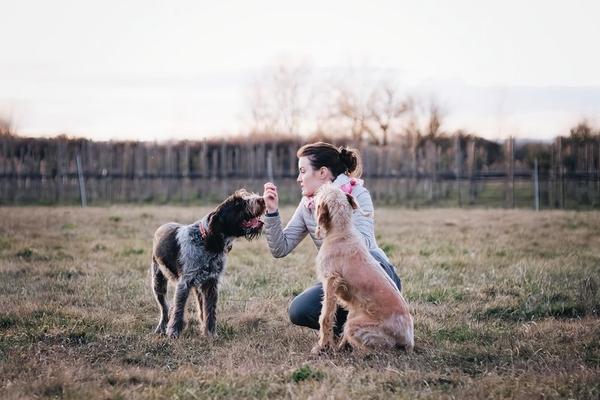
Walk into almost any dog park in 2026 and you’ll notice something has changed. The “alpha roll,” the stern voice commands, the idea that your dog is constantly plotting to dominate the household pecking order — all of it is quietly being replaced. Trainers and behaviourists across the UK are moving toward something calmer, more collaborative, and frankly more effective: force-free dog training. If you’re new to the concept, this guide will walk you through what it actually means, why it works, and how to start using it with your own dog today.
What Does “Force-Free” Actually Mean?
Force-free dog training methods are built on a simple premise: you change behaviour by rewarding what you want to see more of, rather than punishing what you don’t. There’s no leash popping, no yelling, no physical corrections, and no tools designed to cause discomfort. Instead, force-free trainers rely on positive reinforcement dog training, management of the environment, and a genuine understanding of canine body language.
This isn’t a soft or permissive approach, despite what some critics claim. It’s a precise, science-backed methodology. The difference is that instead of suppressing unwanted behaviour through fear or pain, force-free training teaches the dog what to do instead — and makes doing the right thing the most rewarding option on the table.
Why the Shift Away From Dominance Theory?
Dominance-based training was built on outdated wolf-pack research from the mid-20th century, research that has since been widely discredited even by the scientists who conducted it. Modern behavioural science shows dogs aren’t trying to “dominate” their owners; they’re responding to consequences, associations, and emotional states, just like any other learning creature. As this understanding has spread, welfare-led pet care has taken centre stage, and gentle dog training has gone from a niche preference to the mainstream recommendation among veterinary behaviourists.
The Core Principles of Reward Based Training
At its heart, reward based training is about timing and consistency. When your dog does something you like — sitting calmly, walking without pulling, coming when called — you mark that moment and follow it with something they value. That could be food, praise, play, or access to something exciting like a sniff break.
Over time, your dog starts offering these behaviours more often, not because they’re afraid of what happens if they don’t, but because they’ve learned it pays off. This builds a dog that’s engaged and willing, rather than one that’s simply avoiding punishment.
Marking the Moment: An Introduction to Clicker Training Dogs
One of the most popular tools in the force-free toolkit is the clicker. Clicker training dogs works by pairing a distinct sound — the click — with a reward, so the dog learns that the click always predicts something good. The clicker becomes a precise way to mark the exact moment your dog does something right, which is far clearer communication than a delayed “good boy” a few seconds later.
You don’t need a clicker to do force-free training, but many owners find it speeds up learning considerably, especially for more complex behaviours where timing really matters.
Getting Started: Practical First Steps
If you’re switching from a more traditional approach, or starting fresh with a new puppy, here’s how to begin.
1. Choose High-Value Rewards
Not all treats are created equal. Small, soft, smelly treats — think chicken, cheese, or liver — tend to work far better than dry biscuits, especially in distracting environments. Reserve your dog’s favourite rewards for the behaviours you most want to reinforce.
2. Set Realistic Criteria
Break big goals into small steps. If you’re teaching a solid “stay,” don’t expect five minutes on day one. Reward one second, then two, then five, building duration gradually so your dog succeeds far more often than they fail.
3. Manage the Environment
Force-free training isn’t just about rewards; it’s also about setting your dog up to succeed. If your dog struggles with visitors at the door, use a baby gate or lead during the learning phase so you’re not relying on willpower alone. Preventing rehearsal of unwanted behaviour is just as important as rewarding good behaviour.
4. Be Consistent With the Whole Household
Force-free training only works when everyone in the home is on the same page. If one person allows jumping up and another doesn’t, the dog receives mixed signals and progress stalls. Agree on rules and cues as a family before you start.
Common Misconceptions About Force-Free Methods
A few myths tend to follow gentle dog training around, so it’s worth addressing them directly.
“It’s just bribery.” There’s a meaningful difference between bribery and reinforcement. Bribery means showing the treat before the behaviour to entice compliance. Reinforcement means rewarding after the behaviour has already happened. Once a behaviour is learned, treats are gradually phased into an intermittent, unpredictable schedule rather than offered every single time.
“My dog will only listen if I have food.” This is usually a sign that training has stalled at an early stage. As reliability builds, rewards shift toward real-life reinforcers — a walk continuing, a toy being thrown, a door being opened — so food becomes just one tool among many.
“It won’t work for serious behaviour problems.” In fact, the opposite tends to be true. Fear, reactivity, and aggression often worsen with punishment-based approaches because they add stress on top of an already anxious dog. Positive reinforcement dog training, particularly when guided by a qualified behaviourist, is now the standard recommendation for these more complex cases.
Why This Approach Fits 2026’s Pet Care Culture
Pet ownership today looks different than it did a decade ago. Owners are more informed, more invested in their dogs’ emotional wellbeing, and less willing to accept “because that’s how it’s always been done” as a justification for outdated methods. Force-free training reflects that shift — it treats the dog as an individual with its own personality, triggers, and learning pace, rather than applying a one-size-fits-all correction-based formula. That personalised, welfare-led mindset is exactly why this approach is gaining ground so quickly among trainers, behaviourists, and everyday dog owners alike.
Frequently Asked Questions
Is force-free training slower than traditional methods?
Not necessarily. While it may take a little longer to see dramatic results in the very first sessions, force-free training tends to produce more reliable, long-lasting behaviour because the dog understands and enjoys the process rather than simply complying out of fear.
Do I have to use treats forever?
No. Treats are most useful when a behaviour is first being taught. As your dog becomes more reliable, you gradually reduce the frequency of food rewards and replace them with real-life rewards like play, praise, or access to something they want.
Can force-free methods help with aggressive or reactive dogs?
Yes, and increasingly this is the recommended path. Punishment can heighten fear and stress in reactive dogs, often making the underlying problem worse. Force-free, reward-based approaches address the emotional root of the behaviour, ideally with support from a certified behaviourist for more serious cases.
What’s the difference between force-free and positive reinforcement training?
Positive reinforcement is one of the core tools used within force-free training, but force-free is the broader philosophy. It means avoiding all forms of physical or psychological pressure, not just relying on rewards, but also actively ruling out corrections, intimidation, or discomfort of any kind.
Switching to force-free dog training isn’t about being permissive or letting your dog “get away” with anything. It’s about communicating more clearly, building trust, and giving your dog every reason to want to cooperate with you. Start small, stay consistent, and you’ll likely find that a calmer, more confident dog is only a few well-timed rewards away.