
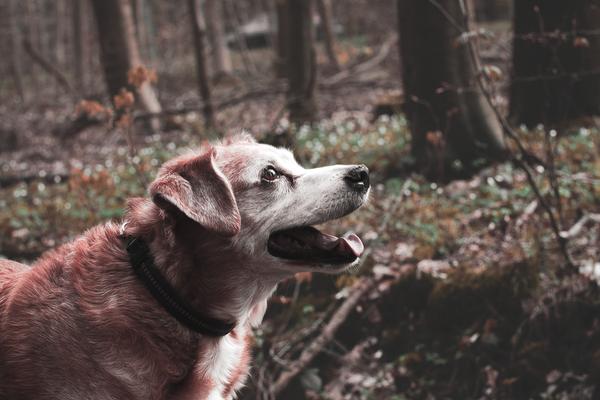
Dogs often become less energetic as they grow older, but slowing down should not automatically be dismissed as normal ageing. Subtle changes in movement, mood or routine can be early signs of arthritis in ageing dogs. Osteoarthritis is progressive and cannot be cured, yet early veterinary support can reduce discomfort and help a senior dog remain active for longer.
Proactive ageing dog care means noticing small changes, arranging regular health checks and working with a vet before mobility declines. This can make everyday activities, from getting out of bed to enjoying a gentle walk, more comfortable.
What arthritis means for an older dog
Arthritis, often called osteoarthritis or degenerative joint disease, develops when a joint becomes inflamed and its smooth surfaces deteriorate. Movement becomes stiffer and painful. Lifelong wear and tear is a common factor, although previous injuries, excess weight, joint abnormalities and genetic risk can contribute.
The condition often develops gradually, and dogs can hide pain. Understanding subtle dog arthritis symptoms matters because the first clues may appear as changes in personality or routine rather than an obvious physical problem.
Early signs of arthritis in ageing dogs
Stiffness after sleep or rest
A common sign is stiffness when a dog first gets up, especially in the morning or after a nap. They may rise slowly, take several short steps before moving normally, or hesitate to put full weight on a limb. Stiffness can also worsen after a longer walk.
Slower walks and reduced enthusiasm
A dog with senior dog joint pain may lag behind, stop often or turn home sooner. Some still become excited by the lead but struggle once walking. Others lose interest in games because quick turns and sudden acceleration hurt.
Reluctance to use stairs or jump
Watch for hesitation at stairs, the car, the sofa or a familiar step. A dog may avoid pushing with the back legs, wait to be lifted or abandon an attempt that was once easy.
Limping or an altered gait
Limping may come and go, and arthritis can affect several joints. Instead of a clear limp, you might notice shorter strides, a stiff-backed walk or swaying hips. Muscle loss around the back legs may develop when painful joints are underused.
Changes in mood, sleep or touch sensitivity
Pain can make a dog quieter, restless, irritable or reluctant to be handled. They may groan while lying down, sleep more, struggle to settle, or repeatedly lick a painful area.
When to speak to your vet
Book a veterinary appointment for persistent stiffness, limping, reduced activity or behavioural change. Similar signs can result from injuries, spinal problems and ligament damage. A vet may assess gait, joint movement, swelling, muscle condition and pain, with imaging recommended in some cases.
Seek prompt advice if your dog is severely painful, suddenly cannot bear weight, collapses or develops swelling after an injury. Never give human painkillers or leftover medication; some are dangerous or fatal to dogs. Treatment must be chosen and dosed by a vet.
How to ease arthritis discomfort at home
Keep exercise gentle and consistent
Unless a vet advises otherwise, regular controlled movement helps preserve muscle strength and limit stiffness. Several short lead walks are often better than one long outing. Choose firm, level routes and avoid sudden distance increases, ball chasing, sharp turns, jumping and uneven ground.
A vet may suggest physiotherapy or hydrotherapy to support strength and mobility with less strain. These should be tailored to the individual dog and delivered by appropriately qualified professionals.
Support a healthy body weight
Weight management is central to arthritis care because extra weight increases pressure on sore joints. Ask a vet or veterinary nurse to assess body condition and recommend a realistic feeding plan. Measure meals, include treats in the daily allowance and review progress regularly.
Make the home easier to navigate
Place rugs or non-slip mats on smooth floors and provide a supportive bed in a warm area. Keep food and water easy to reach. A ramp can make car access safer, while a stair gate may prevent repeated climbing. Trim claws to improve grip.
Follow the veterinary treatment plan
Treatment may include anti-inflammatory medicine, other pain relief, rehabilitation, weight control and, in selected cases, surgery. Attend recommended monitoring appointments and report side effects or new concerns promptly.
Joint supplements for dogs may be used alongside prescribed treatment, but they are not a substitute for effective pain relief and do not help every dog. Ask your vet whether a product is suitable, especially if your dog has another condition or takes medication.
Track mobility and quality of life
Keep notes about walks, stair use, sleep, playfulness and how easily your dog rises. Short videos can help a vet see changes that may not appear during an appointment. The management plan should evolve with the dog’s needs.
Regular senior health checks help identify pain early, review medication and discuss other problems affecting mobility. The goal is not puppy-like energy, but comfort, confidence and enjoyment.
Frequently asked questions
What are the first signs of arthritis in an old dog?
Early signs often include stiffness after rest, slower walks, reluctance to jump or climb stairs, reduced interest in play and subtle mood changes. Any persistent change should be checked by a vet rather than assumed to be normal ageing.
Can a dog have arthritis without limping?
Yes. Arthritis may affect several joints or cause general stiffness rather than a clear limp. A dog might simply walk more slowly, sleep more, avoid certain movements or seem less tolerant of touch.
Should dogs with arthritis still be walked?
Most benefit from regular, gentle, controlled exercise, but the amount should match the dog’s condition and veterinary advice. Shorter, more frequent walks are commonly easier than long or intense outings.
Do joint supplements cure arthritis in dogs?
No. Arthritis has no cure, and supplements are not a replacement for veterinary diagnosis or prescribed pain management. Some may be used as part of a broader plan, but owners should discuss suitable products with their vet.
Helping a senior dog stay comfortable
The signs of arthritis in ageing dogs are not always dramatic. A pause before the stairs, morning stiffness or less enthusiasm for a favourite game may be the first indication of pain. By noticing these details, arranging a veterinary assessment and adapting exercise, weight and the home, owners can offer meaningful support. With ongoing review and appropriate treatment, many arthritic dogs continue to enjoy a comfortable, engaged life.