Winter can turn a well-run yard into an obstacle course: frozen buckets before breakfast, muddy gateways at turnout, and a stable that feels damp by evening. Good horse winter stable care is less about making the building warm and more about keeping your horse dry, well fed, hydrated and able to move. The best routine anticipates the weather rather than reacting after something goes wrong.
Keep the Stable Dry, Safe and Well Ventilated
A stable should offer shelter from driving rain and wind without becoming an airtight box. Fresh air helps remove moisture, dust and ammonia from urine. Closing every window to make the yard feel cosy can create an unhealthy environment, particularly for horses with respiratory sensitivities.
Before cold weather sets in, inspect the roof, gutters, drainage, door latches and flooring. Clear blocked channels, repair leaks and remove sharp edges. Check that doors cannot slam in strong winds and that electrical equipment is protected from moisture.
Choose Bedding for Comfort and Cleanliness
Horse bedding in winter has two jobs: provide a comfortable lying surface and help manage moisture. Straw, shavings and other low-dust products can work when managed properly. The best choice depends on absorbency, dust levels, availability, disposal options and your horse’s habits.
Remove droppings and wet bedding regularly, paying particular attention to favourite urination spots. Keep a dry, supportive bed deep enough for the flooring and bedding system, with safe coverage where the horse stands and turns. Rubber mats improve cushioning but do not replace cleaning or absorbent bedding.
If your horse coughs when the bed is disturbed, reconsider dusty bedding and forage, and discuss persistent symptoms with a vet. A practical guide to low-dust horse bedding may help when comparing materials.
Make Water and Forage the Winter Priorities
Cold weather does not remove a horse’s need for water. Dry hay contains far less moisture than grass, so restricted drinking can contribute to dehydration and increase the risk of impaction colic. Remove ice, check automatic drinkers for frozen pipes, and provide a backup bucket when temperatures fall.
Some horses drink more readily when water is slightly warmed. Offer clean, unfrozen water throughout the day and watch for a noticeable drop in consumption. Snow should never be treated as a dependable replacement.
Forage is equally important. Chewing and digesting fibre helps generate body heat, while regular access supports normal gut function and behaviour. Adjust hay availability to grazing conditions, temperature and the horse’s body condition; do not automatically increase hard feed because it is winter. Any major dietary changes should be gradual, with veterinary or qualified nutrition advice where needed.
Decide on Rugs by the Horse, Not the Calendar
Horses with healthy winter coats can tolerate cold well when they have forage and suitable shelter. A rug may be useful for a clipped, underweight, elderly or unwell horse, or one exposed to prolonged wet and windy conditions. It is not automatically required simply because the temperature drops.
Check beneath the rug every day. Feel around the shoulder and body for excess heat, sweat or dampness, and inspect for rubs at the withers, chest and straps. A soaked or poorly fitting rug can be worse than the right amount of protection. Never stack rugs without checking the combined weight and fit.
Weather, coat and individual comfort matter more than fixed temperature rules. A horse rug fit and weight guide can help make decisions more consistently.
Protect Turnout Time Without Ignoring Ground Conditions
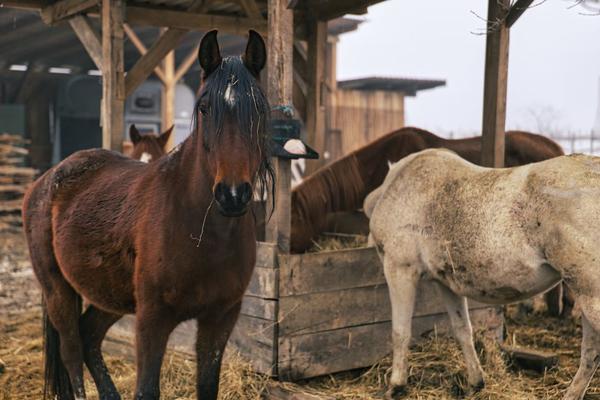
Horse turnout in winter supports movement, social contact and natural grazing behaviour. Keeping a horse stabled all day merely to protect a muddy field may create a welfare problem. Look for ways to provide daily time outside, whether in a field, suitable all-weather area or another managed exercise space.
Inspect fencing, footing and shelter before turnout. Frozen ruts can be hard and uneven; deep mud near gates can trap shoes and strain limbs. Provide access to forage and water, and avoid slippery routes between the stable and field.
Manage Mud Before It Reaches the Stable
Gateways, troughs and feeding areas take the most traffic. Use suitable non-slip surfacing in high-use spots where practical, improve drainage and avoid overcrowding. Rotating access points or resting damaged ground can prevent a muddy patch from becoming a deep bog.
Check legs and feet after turnout. Wet skin can be vulnerable to mud-related infection, but aggressive washing and scrubbing can irritate it further. Gently remove heavy dirt when necessary, dry legs appropriately and seek veterinary advice for swelling, heat, painful scabs or lameness. Regular hoof picking also reveals packed mud, stones and changes in the sole.
Build a Winter Stable Routine That Fits Real Life
A dependable winter stable routine makes small problems easier to catch. In the morning, confirm the horse is bright and eating, check water availability, remove soiled bedding and assess legs, hooves and rug fit. Plan turnout or exercise around actual ground conditions rather than a rigid timetable.
In the evening, check water again, supply appropriate forage, tidy wet areas and make sure doors, fencing and weather protection are secure. Look at droppings and appetite as well as the horse’s general behaviour. Changes can be early clues that something is wrong.
Consider a practical example: rain is forecast overnight followed by a hard frost. Prepare spare water indoors, clear the muddy gateway before it freezes, put dry bedding within reach and choose the safest turnout area for the morning. Ten minutes of preparation can save a difficult start and reduce avoidable risks.
Know When a Winter Problem Needs Attention
Do not dismiss repeated coughing, difficult breathing, reduced drinking, poor appetite, abnormal droppings, shivering, sweating under a rug or sudden reluctance to move. Seek prompt veterinary advice for suspected colic, breathing distress or significant lameness. Monitor weight and body condition over time; a thick winter coat can hide gradual weight loss.
Frequently Asked Questions
Should a horse’s stable be heated in winter?
Usually not. Healthy horses generally benefit more from dry shelter, adequate forage and good ventilation than from a heated, closed-up stable. Horses with specific medical needs may require an individual management plan from a vet.
How often should bedding be changed in winter?
Remove droppings and wet areas at least daily, replenishing bedding as needed. The timing of a complete change depends on the material, drainage, hygiene and the horse’s habits. A dry bed and clean air matter more than a fixed schedule.
Can horses stay outside overnight in cold weather?
Many acclimatised horses can, provided they have suitable shelter, forage, unfrozen water and safe footing. Consider age, coat, health and the combination of wind and rain rather than temperature alone.
What is the most important winter check?
Reliable access to clean water is essential, but it belongs alongside daily checks of appetite, comfort, legs, hooves and overall behaviour. No single check replaces observing the whole horse.
A Calm Winter Starts With Consistency
Successful winter horse care is built from repeatable habits: fresh air, a clean bed, dependable water, enough forage, thoughtful rugging and safe opportunities to move. Keep the routine flexible, respond to the horse in front of you, and the stable can remain a comfortable base even when the yard outside is cold and muddy.