
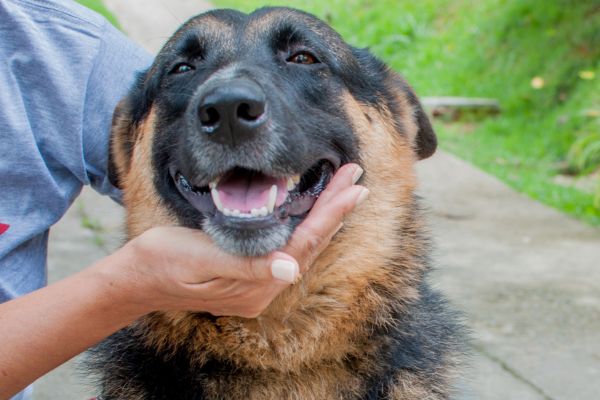
Pet adoption often begins with an emotional moment—a wagging tail behind a shelter gate or a quiet cat curling up in a corner. But alongside the joy and good intentions, adoption is also a legal process. Many people are surprised to learn how much law, regulation, and responsibility are wrapped into bringing an animal home. Understanding the legal aspects of pet adoption isn’t about dampening that joy; it’s about protecting the animal, the adopter, and the wider community.
This article takes a clear, experience-driven look at what really happens on the legal side of pet adoption, and why it matters more than most people realize.
Why Pet Adoption Is a Legal Process, Not Just a Personal Choice
At its core, pet adoption is a transfer of responsibility. When you adopt an animal, you are not simply welcoming a companion into your home—you are assuming legal duties tied to welfare, care, and public safety. Animals are treated as a special category of property under the law, which means ownership carries enforceable obligations.
Shelters, rescues, and adoption agencies operate under animal welfare laws designed to prevent abuse, neglect, and illegal breeding or sale. Adoption contracts exist not because organizations distrust adopters, but because laws require accountability once an animal leaves their care.
Understanding this legal foundation helps explain why adoption involves paperwork, screening, and follow-up conditions.
Adoption Contracts and What They Really Mean
One of the most important legal aspects of pet adoption is the adoption agreement itself. This contract is legally binding, even if it feels informal when you sign it. It typically outlines your responsibilities as an adopter and the conditions under which the animal is placed with you.
Most contracts require basic standards of care, including proper shelter, nutrition, veterinary treatment, and humane handling. Some also include clauses about spaying or neutering, restrictions on breeding, or rules about rehoming the animal if circumstances change.
What many adopters overlook is that these agreements are enforceable. If the terms are violated, the organization may have the legal right to reclaim the animal. Reading the contract carefully—and asking questions before signing—is not just smart, it’s essential.
Ownership Transfer and Legal Responsibility
Adoption marks the legal transfer of ownership, but that transfer is not always absolute. In some cases, rescues retain partial rights, especially when animals have special medical or behavioral needs. This shared responsibility model is designed to ensure long-term welfare rather than control adopters.
Once ownership is established, the adopter becomes legally responsible for the animal’s actions. This can include liability for property damage, injuries, or public disturbances caused by the pet. Many local laws treat animals similarly to dependents in this respect, placing the duty of prevention squarely on the owner.
This is why responsible ownership extends beyond love and care—it includes training, supervision, and compliance with local regulations.
Local Laws That Affect Adopted Pets
Pet adoption laws are heavily influenced by local and regional regulations. These laws govern everything from licensing and vaccinations to leash requirements and noise complaints. Adopters are expected to follow these rules regardless of where the animal was adopted.
In some areas, certain breeds or species are restricted or require special permits. Adopting without checking these rules can create serious legal trouble, including fines or forced surrender of the animal.
Even well-meaning adopters can run into problems if they assume adoption approval automatically overrides local law. It doesn’t. The responsibility to comply rests with the owner.
Spaying, Neutering, and Mandatory Medical Care
One of the most common legal conditions tied to pet adoption is spaying or neutering. Many jurisdictions mandate sterilization for adopted animals unless there is a medical exemption. Adoption agencies often enforce this through contracts and follow-up verification.
Vaccinations, microchipping, and routine veterinary care may also be legally required, especially for dogs. Failure to meet these standards can result in penalties or intervention by animal control authorities.
These rules exist not to burden owners, but to reduce overpopulation, prevent disease, and protect public health. Understanding these requirements upfront helps avoid unintentional violations later.
Liability and What Happens If Something Goes Wrong
Another overlooked legal aspect of pet adoption involves liability. If an adopted pet injures someone or damages property, the owner is typically held responsible, even if the animal had a troubled past.
Some adoption contracts include liability disclaimers, acknowledging that rescued animals may have unknown histories. While these clauses may limit the shelter’s responsibility, they do not eliminate the adopter’s legal obligations to others.
In certain cases, local laws impose stricter liability for specific animals, particularly dogs deemed dangerous after an incident. Understanding these risks allows adopters to take preventive steps, such as training, insurance coverage, and proper containment.
Returning or Rehoming an Adopted Pet Legally
Life changes, and sometimes adoption doesn’t work out. Legally, however, returning or rehoming a pet is not as simple as finding a new home. Many adoption agreements prohibit private rehoming and require the animal to be returned to the original organization.
This clause protects animals from being passed into unsafe or illegal situations. Ignoring it can lead to breach of contract claims or even allegations of abandonment, depending on local laws.
If circumstances change, the safest legal path is open communication with the adoption agency. Most organizations prefer transparency over secrecy and will work to protect the animal’s welfare.
Adoption of Exotic or Non-Traditional Pets
Adopting animals beyond cats and dogs introduces additional legal complexity. Exotic pets, birds, reptiles, and certain small mammals may be subject to wildlife protection laws, import regulations, or special licensing requirements.
In some regions, owning certain species without proper permits is illegal, regardless of adoption intent. These laws are often strict, and ignorance is rarely accepted as a defense.
Before adopting a non-traditional pet, it’s critical to research applicable laws and verify that the adoption is lawful in your location.
The Role of Animal Welfare Laws in Adoption
Animal welfare laws form the backbone of pet adoption legality. These laws define neglect, cruelty, and abandonment, and they apply equally to adopted animals. Adoption does not grant immunity from enforcement.
Failure to meet minimum care standards can result in fines, confiscation of the animal, or criminal charges in severe cases. While most adopters never face these outcomes, understanding the legal framework reinforces the seriousness of pet ownership.
Adoption agencies operate within these laws and are often required to report violations when they occur.
Why Understanding Legal Aspects Makes You a Better Adopter
The legal aspects of pet adoption are not meant to intimidate potential adopters. They exist to ensure animals are placed in stable, safe, and responsible homes. When adopters understand their legal role, they are better prepared for the realities of ownership.
Legal awareness encourages thoughtful decision-making, realistic expectations, and long-term commitment. It also strengthens trust between adopters, shelters, and communities, creating better outcomes for everyone involved.
A Thoughtful Conclusion on Responsibility and Care
Pet adoption is an act of compassion, but it is also a legal commitment with real consequences. Understanding the legal aspects of pet adoption doesn’t take away from the emotional bond—it deepens it by grounding care in responsibility.
When adopters approach the process with both heart and awareness, animals benefit from stability, communities benefit from accountability, and families benefit from knowing they’ve done things the right way. Adoption isn’t just about bringing a pet home. It’s about accepting a role that lasts a lifetime, both emotionally and legally.