
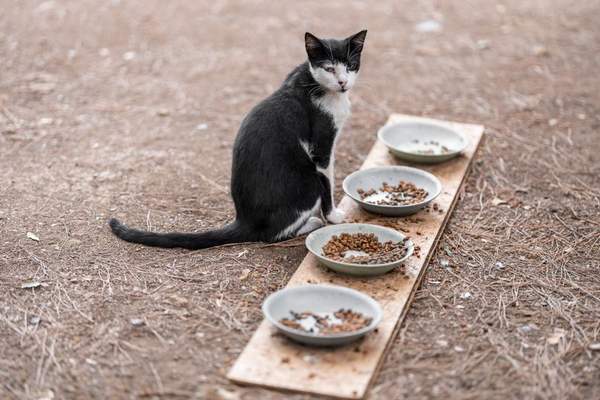
Changing your cat’s food can look simple, but many cats notice small differences in smell, texture and routine. Switching too quickly may lead to loose stools, vomiting or a refusal to eat, so a gradual diet change is usually safer than replacing the old food overnight. Taking it slowly also gives you time to see whether the new diet actually suits your cat.
Most healthy cats can move to a new food over about one to two weeks. Some adjust faster, while cautious eaters, older cats and cats with sensitive digestion may need longer. If your vet has prescribed a special diet, follow their instructions rather than a standard transition plan.
Why a gradual cat food transition works better
Cats are creatures of habit, and food is part of that routine. A sudden change can affect both digestion and appetite. UK animal charities including Cats Protection and PDSA advise introducing new food slowly, increasing it over several days while reducing the old food.
There is also a behavioural reason to take your time. Cats can be particular about texture. If unfamiliar food is mixed straight into a favourite meal, some cats reject the whole bowl. Offering a small amount separately at first lets your cat investigate it without losing access to something familiar.
Before you start changing cat food
Check that the new product is a complete cat food suitable for your cat’s life stage. Kittens, adults and senior cats do not necessarily need the same nutritional balance. Cats with kidney disease, urinary problems, food allergies, diabetes or other medical conditions may need a diet chosen with veterinary guidance.
Compare the feeding instructions on the old and new packs too. Portion sizes are not always interchangeable because calorie density can differ. During the transition, keep the overall daily amount appropriate rather than accidentally serving a full portion of both foods.
A simple step-by-step transition plan
Days 1 to 3: introduce a small taste
Keep serving your cat’s usual food and offer a small amount of the new food in a separate bowl or dish nearby. Do not worry if your cat only sniffs it at first. The goal is to make the smell and appearance familiar without pressure.
If your cat eats the new food comfortably and their stools remain normal, move on. If they ignore it, continue offering a small fresh portion for another day or two rather than immediately increasing the amount.
Days 4 to 7: increase the new food gradually
Begin increasing the new food while reducing the old food. Keep each change modest. A practical example is to introduce the new diet at the meal when your cat is usually most relaxed. Keep the feeding place, bowl and meal time familiar so only one part of the routine changes at once.
Days 8 to 10: make the new food the main diet
By this stage, the new food can make up most of what your cat eats, with a smaller amount of the previous diet remaining. Watch appetite, stool consistency and general behaviour. A normal cat food transition should not leave your cat repeatedly vomiting, having persistent diarrhoea or acting noticeably unwell.
If mild digestive upset appears after you increase the new food, return to the last stage your cat tolerated and slow the process down. Taking a few extra days is better than pushing ahead and ending up with a cat that refuses the new diet.
Days 11 to 14: phase out the old food
Once your cat is consistently eating the new food and appears comfortable, reduce the remaining old food until the switch is complete. Some cats may be ready sooner; others need longer. Use your cat’s response, not the calendar alone, to decide when to progress.
What if your cat refuses the new food?
Do not try to make your cat hungry enough to give in. A cat that stops eating can become unwell, and loss of appetite can also signal a medical problem. If your cat is refusing food altogether, eating much less than usual or seems unwell, contact your vet promptly.
If your cat is otherwise well and still eating the old food, slow down. Offer a smaller amount of the new food and keep it separate. Texture may matter as much as flavour, so a cat used to smooth wet food may reject chunks in gravy even when the ingredients are similar. Wet food can also be more appealing when served at room temperature rather than straight from the fridge.
How to reduce new cat food stomach upset
The best prevention is a slow, consistent change. Avoid introducing several new treats or human foods during the same week, because that makes it harder to identify what caused a digestive problem. Keep fresh water available and maintain your cat’s normal feeding environment where possible.
Pay attention to appetite, energy, grooming and willingness to approach meals as well as the litter tray. If vomiting or diarrhoea is repeated, severe, accompanied by lethargy, or does not improve when you slow the change, speak to your vet.
When to use a different approach
A gradual switch suits many healthy cats, but there are exceptions. A vet may recommend a different schedule for a medical condition or prescription diet. If the old food has been recalled, is suspected of causing an adverse reaction, or your cat has an urgent health problem, ask your vet what to feed and how quickly to change it.
Newly adopted cats often benefit from stability too. If possible, keep them on the food they were already eating while they settle into their new home, then start changing cat food once they are comfortable.
Frequently asked questions
How long should it take to switch cat food?
For many cats, allow around seven to fourteen days. A cautious eater or cat with a sensitive stomach may need longer. Move forward only when your cat is willingly eating the new food and staying well.
Should I mix old and new cat food together?
Not necessarily. Cats can be sensitive to texture, and UK cat-care guidance commonly recommends offering the new food separately at first. This lets your cat try it without changing the familiar meal.
What should I do if my cat gets diarrhoea after changing food?
Return to the last stage that was tolerated and slow the transition. If diarrhoea is persistent, severe, accompanied by vomiting or lethargy, or your cat stops eating, contact your vet.
Can I switch from dry food to wet food in the same way?
Yes, but allow extra time because the smell and texture are very different. Introduce a small portion separately, increase it gradually, and adjust the total daily quantity according to the new food’s feeding guide.
Give your cat time to adjust
The easiest way to switch cat food is to make the change predictable and gradual. Introduce a small amount, increase it only when your cat is comfortable, and slow down if appetite or digestion changes. For most cats, a careful one-to-two-week transition is far less stressful than an overnight swap and gives you a clearer picture of whether the new diet is a good fit.