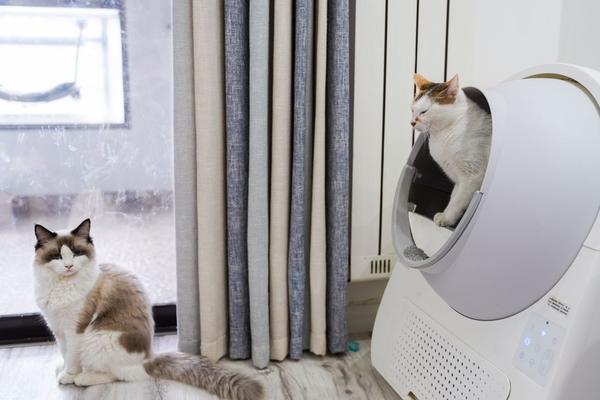
Choosing the best cat litter for indoor cats is less about finding one “perfect” material and more about balancing what your cat will happily use with what you can realistically live with. Indoor cats rely on their trays every day, so odour control, dust, tracking, paw comfort and easy cleaning all matter. A litter that looks convenient on the packet is not a good choice if your cat dislikes the texture or starts avoiding the tray.
Many cats prefer a fine, sand-like surface that is easy to dig in, while strong fragrances can be off-putting. The comparison below focuses on the main UK litter types and their indoor trade-offs.
What matters most for indoor cat litter?
Start with your cat, then think about the room. A cat with sensitive paws may favour soft, fine-grained litter, while an owner in a small flat may care most about dust and tracking. Compare absorbency, ease of scooping, dust, tracking, and whether your cat accepts the feel and smell. Cats Protection advises one litter tray per cat plus one extra, placed in quiet areas away from food and water, and recommends avoiding strongly scented litter.
Clumping clay litter: easiest for spot-cleaning
Clumping cat litter forms solid or semi-solid clumps around urine, so wet areas can be scooped out without emptying the whole tray. That makes daily cleaning straightforward and often helps with odour because soiled litter is removed promptly.
The main drawback is mess. Fine granules can stick to paws and travel beyond the tray, and some products are dusty when poured or disturbed. If dust is a concern, choose an unscented, low dust cat litter. A litter mat outside the tray can also reduce tracking.
Wood pellet cat litter: less tracking, different paw feel
Wood pellet cat litter uses compressed wood that absorbs moisture and usually breaks down as it becomes wet. The larger pellets tend to travel less easily around the home than fine litter, making them appealing where tracking is a constant problem. Many wood litters are also relatively low in airborne dust.
The trade-off is texture. Pellets are larger and firmer than sand-like litter, so a cat used to fine grains may be reluctant to dig. Damp pellets also tend to turn to sawdust instead of forming a scoopable urine clump. A useful test is to offer wood litter in a second tray while keeping your cat’s familiar litter available.
Paper litter: a low-dust choice
Paper-based litter is usually made from recycled paper formed into pellets or granules. It is lightweight and useful when keeping dust to a minimum is the main goal.
Many paper litters do not form tight clumps, so urine-soaked areas can be harder to remove neatly. Odour control varies between products and may depend more heavily on frequent tray changes. Paper can be a good fit for a dust-sensitive household, but monitor how quickly the tray smells.
Silica crystal litter: absorbent but not universally liked
Silica crystal litter uses absorbent granules that take up moisture and can control urine odour effectively. Some products need fewer complete changes than traditional non-clumping litter when used as directed.
The crystals can feel unfamiliar compared with fine litter, and some cats prefer a softer surface. Silica is worth considering when absorbency matters, but your cat’s willingness to use it consistently should decide whether it stays.
Plant-based litter: useful alternatives with variable performance
Plant-based litters may use corn, wheat, pea fibre or other plant materials. Some clump well, while others behave more like absorbent pellets. Performance varies widely by formulation.
Do not assume that “natural” automatically means cleaner or more comfortable. Fine plant litter can still track, while lightweight pieces can scatter outside the tray. Follow the manufacturer’s disposal guidance and local waste rules rather than assuming used litter should be flushed.
Which type suits common indoor-cat problems?
For strong odours
Fast-clumping unscented litter is often convenient because urine can be removed promptly. Silica can also perform well for moisture control. Frequent scooping matters more than masking smells with perfume. See our guide to reducing litter tray smells for more help.
For litter scattered around the house
Larger wood or paper pellets usually track less than very fine granules. A high-sided tray and litter mat can help too. Check tray size as well, because a cramped tray can encourage litter to be kicked over the edge. Our guide to choosing the right litter tray size covers this in more detail.
For a cat that refuses a new litter
Avoid an abrupt switch. Put the new litter in a second tray or mix a small amount into the old litter and increase it gradually. Blue Cross recommends gradual changes because sudden differences in texture or scent can make some cats avoid the tray. If your cat suddenly changes toileting habits, strains, urinates frequently or appears painful, contact a vet rather than assuming litter is the only cause.
A simple home comparison
Place two similar trays in quiet locations for several days: one with your current indoor cat litter and one with the alternative. Keep the litter depth and cleaning schedule similar. Note which tray your cat chooses, how much litter escapes, how easy urine is to remove and how quickly odour develops.
Change only one thing at a time. If you move the tray and change the litter together, you will not know which difference affected your cat. For setup ideas, see our guide to the best places for a cat litter tray.
FAQ
What is the best cat litter for indoor cats?
There is no single best material for every cat. Fine, unscented clumping litter is a strong all-round option for easy scooping and familiar texture, while wood, paper, silica or plant-based litter may be preferable when dust, tracking or weight is the main concern.
Is clumping or non-clumping litter better?
Clumping litter is usually easier for daily spot-cleaning because wet areas can be removed without replacing the entire tray. Non-clumping litter can still work well if your cat prefers it, though it may need more frequent full changes depending on absorbency.
Should indoor cat litter be scented?
Unscented litter is usually the better starting point. Cats have a sensitive sense of smell, and strong fragrances can discourage some cats from using the tray. Regular scooping and proper cleaning are better ways to manage odour.
How often should an indoor cat’s litter tray be cleaned?
Remove faeces and soiled litter at least daily and more often if needed. Cats Protection recommends removing urine and faeces twice a day and fully cleaning the tray at least weekly, although the exact routine depends on litter type and how quickly the tray becomes dirty.
Choosing the right fit
For most indoor cats, the best litter combines a comfortable texture with manageable cleaning, odour and mess. Clumping clay is convenient, wood pellets can reduce tracking, paper is useful when dust matters, silica offers strong absorbency, and plant-based products provide additional options. Make changes gradually and let your cat’s behaviour guide the final choice. A clean, well-placed tray with a litter your cat trusts matters more than chasing a single material that claims to be best for everyone.