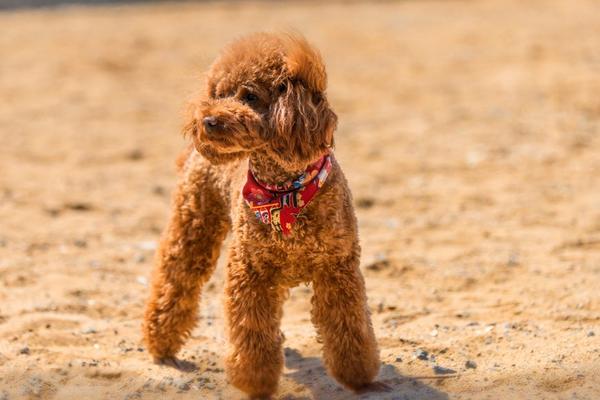
The teddy bear cut has become one of the defining dog grooming looks of 2026: soft, rounded, fluffy and puppy-like. UK search data helps explain why. A 2026 grooming report using Semrush, Instagram and Google Trends data found the teddy bear cut had the highest monthly UK search volume among the styles compared, at 17,590 searches. The lion cut ranked higher on the report’s combined trend score, so most searched and overall trend winner are not the same thing. Even so, the teddy bear look sits firmly at the centre of current grooming trends UK salons are seeing.
What Does a Teddy Bear Cut Look Like?
There is no single official teddy bear cut standard. The term describes an overall appearance rather than a breed-standard clip. Most versions keep the body at a manageable, even length while leaving enough coat on the head and legs for the groomer to sculpt a rounded silhouette.
The face is the key feature. The muzzle is shaped into a soft circle, the cheeks are blended to avoid harsh corners, and the ears are trimmed to complement the head. Feet are usually rounded and tidy, while the body is clipped or scissored to look plush and balanced. A good groomer will adapt the style to coat texture, lifestyle and realistic home care.
Which Dogs Suit the Teddy Bear Cut?
The style is especially associated with Cockapoos, Cavapoos, Labradoodles and other Poodle crosses, but it can also work beautifully on Bichon Frises, Shih Tzus, Maltese and similar dogs with coats that can be shaped and fluffed.
Poodle-cross coats can have curls, waves or mixed textures that tangle readily, particularly after getting wet. PDSA guidance notes that these crosses may need brushing several times a week and that some owners choose shorter clipping to make tight curls easier to manage. That makes this fluffy dog haircut practical as well as photogenic.
It is not the right default haircut for every breed. Double-coated dogs, wire-coated breeds and dogs whose coats are normally hand stripped may need a different approach. Coat type should guide the choice, not a trend photo alone.
Puppy Cut vs Teddy Bear Cut
The terms are often used interchangeably. A puppy cut generally describes a practical, fairly even trim across much of the body. A teddy bear cut focuses more strongly on shape, especially around the face, head and legs.
When discussing puppy cut vs teddy bear cut with a groomer, photographs are more useful than relying on the name alone. One salon may leave the muzzle very full, while another may prefer a tighter face with rounded cheeks. Show photos of dogs with a similar coat type so the groomer can understand the finish you want.
A practical salon example
Imagine a Cockapoo arriving with a long coat and tangling behind the ears and under the front legs. The owner asks to keep plenty of fluff. If the coat can be brushed out comfortably, much of that length may be preserved. If matting is tight against the skin, keeping it long may cause unnecessary pulling. A shorter body with a carefully rounded head can still create the teddy bear effect while putting comfort first.
How Often Does It Need Grooming?
Many teddy bear styles are refreshed roughly every four to six weeks, although the right interval depends on coat growth, chosen length and home care. Longer coats need more attention because knots can form quickly behind the ears, under collars, in armpits and around the legs.
Use grooming tools suited to your dog’s coat and work through the hair rather than brushing only the surface. PDSA advises making grooming positive and seeking professional help rather than tackling established mats at home. This is where useful related topics such as dog grooming at home, preventing matting in dogs and professional grooming schedules naturally fit.
Keeping the Rounded Look at Home
The biggest threat to a teddy bear finish is matting. Once sections of coat become tightly tangled, a groomer may have to take the hair shorter than planned. Prevention is much easier than trying to rescue a heavily knotted coat.
Brush on a schedule that matches your dog’s texture. Curly and longer coats may need attention daily or several times a week. Pay particular attention after rain, muddy walks or bathing because damp curls can tighten as they dry. Gently comb the muzzle and cheeks if your dog tolerates it, and keep the eye area clean.
What to Ask Your Groomer For
Instead of saying only teddy bear cut, describe the finished result. Say whether you want a shorter practical body, fuller legs, round feet, a plush muzzle or a neater face. Be honest about your brushing routine. A shorter cut that stays knot-free will usually look better than a longer style that mats quickly.
Bring reference photos, but choose dogs with a similar coat texture to yours. A skilled groomer can translate the inspiration into a version that suits the individual dog.
Frequently Asked Questions
Is the teddy bear cut the UK’s most searched grooming style in 2026?
In one 2026 UK grooming report, it recorded the highest monthly search volume among the styles compared, at 17,590 searches. The lion cut ranked first on the broader composite trend score, which also included social activity and Google Trends momentum.
Which breeds are best suited to it?
It is commonly used on curly, wavy or continuously growing coats, including Cockapoos, Cavapoos, Labradoodles, Bichon Frises, Shih Tzus and Maltese. Coat condition matters as much as breed.
Is a teddy bear cut high maintenance?
It can be moderate to high maintenance depending on length. A shorter trim is easier to manage, while a long plush finish needs frequent brushing to reduce tangles and matting.
How long should a teddy bear cut be?
There is no fixed length. The best choice depends on coat texture, matting risk, lifestyle and the home grooming you can maintain.
Why the Trend Has Staying Power
The teddy bear cut works because it combines a recognisable look with flexibility. It can be shortened for easier maintenance or left fuller for a plush finish. The best version is not necessarily the longest or fluffiest one on social media; it is the cut that keeps the dog comfortable, the coat manageable and the rounded style achievable between appointments. With realistic home care and a clear conversation with a professional groomer, this 2026 favourite can work just as well in everyday life as it does in a freshly groomed photograph.