A low-shedding dog can make life easier in a busy UK home, especially when carpets, sofas and school uniforms attract every loose hair. Yet “low shedding” does not mean maintenance-free, and it does not guarantee an allergy-free household. Dogs that release less coat often need more brushing, clipping and professional grooming to prevent mats.
For allergy sufferers, the distinction matters. Reactions are usually triggered by proteins in dander, saliva and urine rather than fur itself, so no breed is truly hypoallergenic. Some people nevertheless tolerate certain dogs better because less loose hair may reduce how widely allergens are carried around the home. Spend time with an adult dog of the breed before making a commitment.
What to compare before choosing a low-shedding breed
The best low-shedding dog breeds for UK households vary greatly in size, energy and grooming costs. Think beyond the coat. A dog suited to a London flat may be a poor match for a rural family wanting a long-distance walking companion.
Compare daily exercise, noise, trainability, time alone, coat care and professional grooming frequency. Research breed-specific health tests and choose a responsible breeder or reputable rescue. Our guides to choosing the right dog breed, best dogs for flats and dog grooming basics can help you narrow the shortlist.
Best low-shedding dog breeds for UK homes
Poodle
Poodles are strong all-round choices because they come in Toy, Miniature and Standard sizes. Their curly coat sheds very little, they are highly intelligent and they usually respond well to training. Toy and Miniature Poodles can suit flats when exercised properly, while Standards need more room and activity. Regular brushing and professional clipping are essential. For families wanting an adaptable companion, the Poodle is one of the best family dog breeds in this group.
Bichon Frise
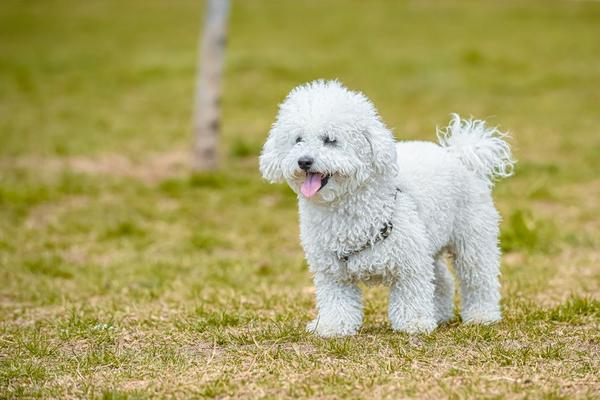
Small, cheerful and sociable, the Bichon Frise suits many UK homes, including flats. Its soft curls retain loose hairs instead of scattering them widely, but the coat mats without frequent brushing. Bichons enjoy company and may struggle if left alone for long working days. They can suit first-time owners prepared for grooming, training and regular companionship.
Miniature Schnauzer
The Miniature Schnauzer combines compact size with a lively, alert personality. Its wiry coat is low shedding and can be kept tidy through clipping or hand stripping. This breed needs more engagement than its size suggests and may bark at visitors or hallway sounds. With consistent training and daily walks, it can work well for families and active flat dwellers.
Bedlington Terrier
With its lamb-like appearance, the Bedlington Terrier is an underrated option among non shedding breeds. It is affectionate at home but retains the speed, curiosity and prey drive of a terrier. The coat sheds minimally yet requires regular combing and trimming. Bedlingtons suit families who enjoy walking and training, though secure outdoor spaces and care around smaller pets are important.
Portuguese Water Dog
The Portuguese Water Dog is energetic, intelligent and people-focused. Its curly or wavy coat is low shedding, although grooming demands are significant. It is rarely the easiest choice for a small flat or a household seeking a quiet, low-energy pet. It suits active owners who enjoy long walks, training games and outdoor adventures.
Lagotto Romagnolo
Originally a water dog and later a truffle hunter, the Lagotto Romagnolo is a medium-sized breed with a sharp nose and active mind. It generally sheds little, but its curly coat needs routine trimming and checks for matting. Lagottos thrive with scent games, structured training and countryside walks. They appeal to owners who want a compact working breed rather than a purely ornamental companion.
Maltese
The Maltese has a long, silky coat that sheds very little and a size that fits smaller homes. Despite its elegant appearance, it is usually playful and confident. A long coat requires daily care, while many owners choose a shorter trim. The breed can suit households wanting a small companion, though gentle handling is necessary around very young children.
Havanese
Friendly, adaptable and eager to join family life, the Havanese is another small low-shedding option. Its coat needs consistent brushing even when clipped short. Havanese dogs can adapt to flat living with walks, play and company. They are not necessarily low maintenance dog breeds because their social and grooming needs remain substantial.
Which breed fits which household?
For a smaller flat, a Toy or Miniature Poodle, Bichon Frise, Maltese or Havanese is often easier to accommodate. Active families with more space may prefer a Standard Poodle, Portuguese Water Dog or Lagotto Romagnolo. A Miniature Schnauzer or Bedlington Terrier sits between these groups, offering compact size with a more energetic character.
Consider a family in a two-bedroom Birmingham flat with a child who has mild dog-allergy symptoms and a budget for professional grooming every six to eight weeks. Rather than choosing solely from a “hypoallergenic dogs UK” list, they should meet adult dogs from two or three shortlisted breeds, spend time indoors with them and monitor symptoms afterwards. They should also decide who will handle daily brushing. That trial is more useful than relying on a breed label.
Reducing allergens and loose hair at home
Keep the dog out of the allergic person’s bedroom, wash hands after close contact and clean soft furnishings regularly. A vacuum with a HEPA filter can help capture fine particles, while damp dusting reduces what is redistributed into the air. Grooming should ideally be done by someone who is not allergic. Seek medical advice when symptoms include wheezing, breathing difficulty or persistent reactions.
Frequently asked questions
Are any dogs completely hypoallergenic?
No. Every dog produces potential allergens in dander, saliva and urine. Low-shedding breeds may be easier for some allergy sufferers to live with, but individual reactions vary.
Do low-shedding dogs need less grooming?
Usually not. Many low-shedding coats hold dead hair and tangle unless they are brushed, clipped or professionally groomed. Less hair on the sofa often means more coat care.
What is the best low-shedding dog for a UK flat?
Toy and Miniature Poodles, Bichon Frises, Maltese and Havanese can suit flats when their exercise, training and companionship needs are met. Temperament and noise matter as much as size.
Are low-shedding crossbreeds predictable?
Not always. A crossbreed can inherit coat type and shedding patterns from either parent, even within the same litter. A curly coat does not guarantee low shedding or low allergen levels.
Choosing with your lifestyle in mind
The right low-shedding dog is not simply the breed with the least visible hair. It is the dog whose exercise, temperament, grooming and companionship needs fit your household for the next decade or more. Shortlist breeds realistically, meet adult examples where possible and treat allergy claims with caution. A thoughtful comparison now is the best way to find a companion who feels at home in both your family and your living space.