
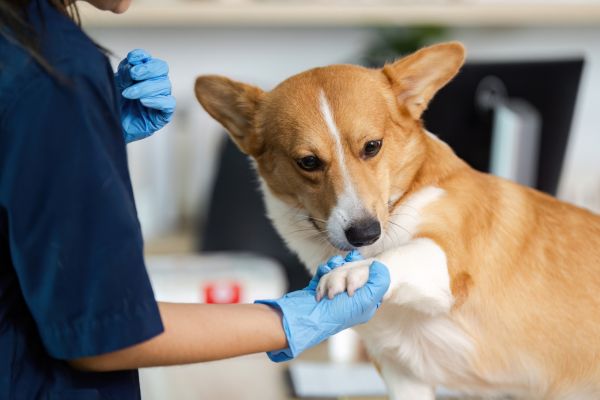
Pet ownership brings enormous joy, companionship, and emotional comfort. But it also comes with responsibilities—especially when it comes to maintaining a pet’s health. Veterinary care is essential for preventing illness, treating injuries, and ensuring animals live long, comfortable lives. For many pet owners, however, the rising cost of veterinary services can create real financial pressure.
This is where low cost veterinary clinics step in as an important solution. These clinics make routine medical care accessible to more people while ensuring pets still receive the attention and treatment they need. For households managing tight budgets, they can make the difference between delaying care and addressing a pet’s health concerns promptly.
Understanding how these clinics operate, what services they offer, and who they serve helps pet owners make informed decisions about their animal’s healthcare.
Why Veterinary Care Has Become Expensive
Veterinary medicine has advanced rapidly over the past few decades. Modern clinics now use sophisticated diagnostic equipment, surgical tools, and laboratory technology that mirror what’s used in human medicine. While these advancements improve treatment outcomes, they also contribute to higher operational costs.
Staff training, facility maintenance, medications, and specialized equipment all influence the price of veterinary services. Routine procedures such as vaccinations, dental care, and blood testing can add up quickly, especially for households with multiple pets.
As costs increase, some owners postpone care or skip preventive visits altogether. Unfortunately, delaying treatment often leads to more serious health issues later. Early intervention is almost always simpler and less expensive than emergency care.
This gap between veterinary costs and affordability is one of the main reasons low cost veterinary clinics have become increasingly important in many communities.
What Low Cost Veterinary Clinics Are
Low cost veterinary clinics are healthcare facilities designed to provide essential veterinary services at reduced prices. Their goal is not to compete with full-service veterinary hospitals but to ensure basic care remains accessible.
Many of these clinics operate with support from nonprofit organizations, animal welfare groups, or community funding. Some are run by veterinary schools or mobile outreach programs designed to serve underserved areas.
Because the focus is on affordability and accessibility, these clinics often streamline services. They typically emphasize preventive care and routine treatments rather than highly specialized procedures.
This model allows clinics to lower operational costs while still maintaining professional veterinary standards.
Services Commonly Offered at Affordable Clinics
The services available at low cost veterinary clinics tend to focus on preventive care and basic medical needs. These are the services that keep pets healthy and help detect problems early.
Vaccinations are one of the most common services offered. Regular vaccines protect pets from diseases such as rabies, distemper, and parvovirus. Because these illnesses can spread quickly, vaccination programs also support public health and animal welfare in the broader community.
Spay and neuter procedures are another cornerstone service. Many affordable clinics prioritize these surgeries because they help control pet overpopulation and reduce health risks associated with reproduction.
Basic health exams are typically available as well. During these visits, veterinarians check a pet’s overall condition, weight, dental health, and signs of illness.
Parasite prevention is another key focus. Treatments for fleas, ticks, and intestinal parasites are often available at reduced cost, helping pets stay comfortable and disease-free.
Some clinics also provide simple diagnostic tests, microchipping, and minor treatments for common conditions.
Who Benefits Most From These Clinics
Low cost veterinary clinics play an important role in supporting several groups of pet owners.
Families on limited incomes often rely on these clinics to keep their pets healthy without facing overwhelming medical bills. Access to affordable care means routine visits are more likely to happen, which improves long-term pet health.
Senior citizens living on fixed incomes also benefit. Pets provide companionship and emotional support for many older adults, and affordable veterinary care helps them maintain those relationships.
Animal rescue groups frequently partner with these clinics as well. Rescues often care for large numbers of animals before adoption, so access to affordable vaccinations and sterilization services helps them operate sustainably.
Even pet owners with moderate incomes sometimes use these clinics for routine services. Preventive care at lower cost can make overall pet ownership more manageable.
The Role of Community Support
Many low cost veterinary clinics operate with strong community involvement. Donations, volunteer work, and partnerships with animal welfare organizations often help these clinics keep prices low.
Veterinarians sometimes volunteer time or accept reduced fees for certain services. In other cases, local governments or nonprofit groups provide grants that help clinics expand outreach programs.
Mobile clinics are another example of community-driven veterinary care. These traveling clinics bring services directly to neighborhoods that may not have easy access to veterinary facilities. They often set up temporary clinics in community centers, shelters, or public spaces.
The result is a network of care that extends beyond traditional veterinary offices.
Balancing Affordability and Quality
A common misconception about affordable veterinary services is that lower prices mean lower quality. In reality, most low cost veterinary clinics maintain strict professional standards.
Licensed veterinarians and trained technicians provide the same medical expertise found in traditional practices. The difference lies primarily in the clinic’s operational model.
By focusing on essential services and minimizing overhead costs, clinics can offer care at reduced prices. Some operate in smaller facilities or rely on streamlined appointment systems to keep expenses manageable.
While these clinics may not provide every specialized service available in large veterinary hospitals, they still deliver safe, professional medical care for routine needs.
When a Full-Service Veterinary Hospital May Be Needed
Low cost clinics are ideal for preventive care and basic treatments, but some situations require more advanced facilities.
Complex surgeries, specialized diagnostics, and emergency treatments often require equipment or expertise beyond what affordable clinics provide. In these cases, referral to a full-service veterinary hospital may be necessary.
This doesn’t diminish the importance of low cost clinics. In fact, by handling routine care, they help reduce the number of preventable health issues that might otherwise escalate into emergencies.
Many pet owners use a combination of services—visiting affordable clinics for routine needs while maintaining a relationship with a full-service veterinarian for more complex situations.
Preventive Care Makes the Biggest Difference
One of the most valuable aspects of low cost veterinary clinics is their emphasis on preventive care.
Preventive medicine focuses on maintaining health rather than simply treating illness. Regular checkups, vaccinations, parasite control, and early screenings help detect problems before they become serious.
For example, dental disease is common in pets but often overlooked. Early dental care can prevent infections that might later affect a pet’s heart, kidneys, or liver.
Similarly, weight monitoring and nutritional guidance help prevent obesity-related health problems.
When preventive care is affordable and accessible, more pets receive the attention they need to stay healthy throughout their lives.
Finding a Clinic in Your Area
Locating affordable veterinary care is often easier than people expect. Animal shelters, humane societies, and rescue organizations frequently maintain directories of low cost clinics within their communities.
Local government animal services departments may also offer information about mobile clinics or subsidized veterinary programs.
Online searches can help identify nearby facilities as well. Many clinics publish schedules for vaccination events, spay-and-neuter programs, and community outreach services.
It’s worth noting that some clinics operate on specific days or require advance appointments due to high demand. Checking availability ahead of time can help ensure a smooth visit.
The Growing Importance of Accessible Pet Healthcare
As pet ownership continues to grow worldwide, so does the need for accessible veterinary care. Pets are no longer viewed simply as animals but as integral members of the family.
Ensuring they receive proper medical attention benefits not only the animals themselves but also the people who care for them.
Affordable clinics help bridge the gap between rising veterinary costs and the financial realities many households face. By making preventive care more accessible, they support healthier pets and stronger communities.
They also reinforce an important idea: responsible pet ownership should not be limited by income alone.
Conclusion
Low cost veterinary clinics play a vital role in modern pet care by making essential medical services accessible to more pet owners. Through community support, streamlined operations, and a focus on preventive care, these clinics provide a practical solution to the rising cost of veterinary medicine.
For many households, they offer peace of mind—knowing that pets can receive routine checkups, vaccinations, and treatments without overwhelming financial strain. While specialized veterinary hospitals remain important for complex cases, affordable clinics ensure that basic healthcare remains within reach.
In the end, accessible veterinary care benefits everyone involved. Pets stay healthier, owners feel more confident in their ability to provide proper care, and communities become stronger through shared commitment to animal welfare.