There is something remarkable about watching a skilled herding dog move livestock. A slight shift in posture, a focused stare, a quick outrun, and an entire flock changes direction. To an outsider, it can look effortless, almost instinctive. In truth, it is a combination of genetics, training, partnership, and countless repetitions built over time.
Herding dogs have helped farmers and ranchers for generations. They save labor, improve livestock handling, and bring order to situations that could otherwise become chaotic. But even naturally talented dogs need guidance. Instinct alone is not enough for consistent, safe work.
Understanding training working dogs for herding means respecting both sides of the equation: inherited ability and careful education.
Why Herding Dogs Are Different
Not every dog is suited to herding. Certain breeds were developed over time for traits that make livestock work possible—intelligence, stamina, responsiveness, focus, confidence, and the ability to read movement.
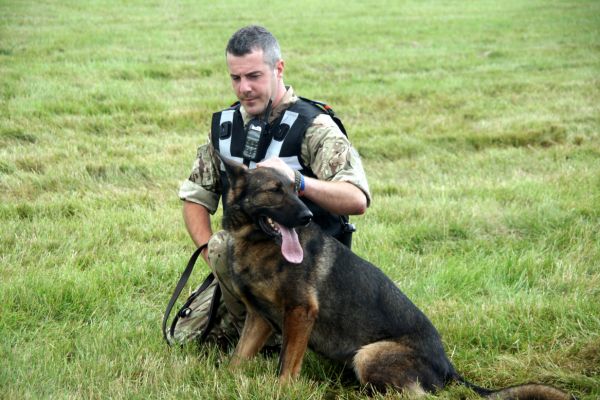
Dogs such as Border Collie, Australian Shepherd, Kelpie, German Shepherd in some working lines, and other stock breeds may show strong natural instincts.
Even within excellent bloodlines, individuals vary. Some dogs have exceptional balance and control. Others may be keen but immature, soft-natured, overly forceful, or easily distracted.
Training helps shape whatever raw ability is present.
Instinct Is the Starting Point, Not the Finish Line
Many young herding dogs show interest in movement early. They may circle animals, stalk, chase, or respond intensely to motion. This can be promising, but it is not finished work.
Uncontrolled instinct can stress livestock, create unsafe pressure, or teach bad habits. A dog that simply chases sheep is not yet herding.
The purpose of training working dogs for herding is to transform instinct into useful behavior. That means channeling drive into calm, directed, reliable work.
Natural talent matters greatly, but training gives it structure.
Start with Basic Obedience First
Before formal stock work begins, a dog should understand basic control. Reliable recall, stopping when asked, walking calmly on lead, waiting, and responding to the handler’s voice create the foundation for everything later.
Without these basics, livestock sessions can become confusion quickly.
A young dog does not need military precision, but it does need enough communication skills to stay safe and listen under excitement.
Many training problems blamed on stock instinct are actually obedience gaps.
Confidence and Social Maturity Matter
Some owners rush eager puppies onto livestock too early. That can backfire.
Young dogs still developing emotionally may become overwhelmed by large animals, noise, pressure, or correction. Others become reckless because they lack maturity.
Short, positive exposure at the right age can help, but serious training usually progresses better when the dog has enough confidence and mental steadiness to learn.
Patience often saves time later.
The First Livestock Introductions
Early stock sessions should be controlled, calm, and supervised by someone experienced whenever possible. Well-broke sheep or appropriate livestock are commonly used because they move predictably and help teach the dog.
The goal is not drama. It is understanding.
A dog begins learning pressure and release—moving stock gently, adjusting distance, controlling excitement, and discovering that thoughtful movement works better than frantic rushing.
These first sessions often reveal natural strengths and weaknesses quickly.
Teaching Balance and Position
One of the most important concepts in training working dogs for herding is balance. This refers to the dog naturally positioning itself in relation to stock and handler to control movement efficiently.
Many talented dogs instinctively seek balance, but they still need guidance. A handler teaches when to flank wider, come in closer, hold pressure, or release it.
Position matters enormously. A few steps too tight may scatter animals. Too wide may lose influence.
Great stock dogs learn to place themselves intelligently rather than merely running commands.
Developing Flanks and Directional Commands
As training progresses, dogs often learn commands for moving left, right, coming in, backing off, lying down, walking up, and recalling.
Directional flanks help send the dog around stock smoothly. A steady stop command can be one of the most valuable tools in the field. “Walk up” may ask for calm forward pressure.
Clear commands reduce chaos. They also allow teamwork at distance, which is essential on farms, ranches, and larger acreage.
Consistency in language matters more than fancy wording.
Reading Livestock Is Part of the Job
A herding dog does not work only with commands. It must learn to read animals.
Different sheep, cattle, goats, or ducks respond differently. Some move easily. Others challenge pressure, split away, bunch tightly, or test boundaries. Weather, terrain, and prior handling also influence behavior.
Experienced dogs learn when to push, when to hold, when to slow down, and when to stay quiet.
This stock sense is difficult to fake. It grows through exposure, guidance, and time.
Protecting Livestock Welfare
Good herding work should reduce stress, not create it.
Handlers must watch for excessive chasing, biting, overheating, panic in stock, or rough handling. Livestock are not training props. Their welfare matters every session.
Responsible training working dogs for herding balances dog progress with humane livestock treatment. Short productive sessions are often better than long chaotic ones.
A calm flock and a thoughtful dog usually indicate good training.
Building Stamina and Physical Fitness
Working dogs need sound bodies. Herding can involve sharp turns, speed, rough ground, weather extremes, and long hours depending on the job.
Conditioning through regular exercise, sensible workload increases, healthy body weight, and veterinary care helps dogs stay durable.
Mental fatigue matters too. Concentration drains energy. A dog may look physically capable yet lose judgment when tired.
Strong handlers learn when to stop before mistakes begin.
The Handler Must Learn Too
Many beginners focus entirely on the dog. In reality, handler skill is equally important.
Poor timing, unclear commands, nervous movement, over-talking, or stepping into the wrong place can confuse even talented dogs. Calm body language and good positioning often improve a dog more than louder commands.
Herding is a partnership. Dogs are reading the handler constantly.
Often the dog is easier to train than the person.
Common Mistakes in Training
Rushing progress is common. So is overcorrecting youthful mistakes or allowing endless uncontrolled excitement because “the dog has drive.”
Another error is training only in ideal conditions. Real work includes gates, pens, corners, mud, wind, stubborn animals, distractions, and uneven terrain.
Dogs need gradual exposure to reality, not only tidy practice fields.
Consistency beats intensity almost every time.
Why Experience Matters
Books and videos help, but hands-on mentorship from skilled trainers is invaluable. They notice subtle issues beginners miss: eye pressure, weak stops, slicing flanks, handler drift, or stock choice problems.
A small correction early can prevent months of confusion.
Because herding involves live animals, good guidance also improves safety for everyone involved.
Conclusion
Training working dogs for herding is one of the most fascinating examples of cooperation between humans and animals. It blends instinct, discipline, livestock sense, communication, and trust into a practical skill that has served farms and ranches for generations. Great dogs are not made through force or speed, but through steady guidance and experience.
The best herding partnerships often look simple from a distance. A whistle, a turn, a quiet stop, and animals move where they need to go. Behind that simplicity are hours of patient training and mutual understanding. That is where the real craft lives.